
Every Festival and Event in Essaouira Worth Planning Around (2026)
Essaouira punches way above its weight when it comes to cultural events. This small coastal town hosts internationally recognized music festivals, film screenings, art exhibitions, and seasonal celebrations throughout the year. Best of all, many of these events are completely free.
Here’s your complete month-by-month guide to what’s happening in Essaouira in 2026 — so you can time your visit to catch something special (or avoid the crowds).
2026 Events at a Glance
| Month | Event | Type | Cost |
|---|---|---|---|
| January-February | Off-season (quiet, cheapest prices) | — | — |
| March | Spring Classical Music Festival | Music | Free |
| April 15-18 | La Dolce Vita Italian Cinema Festival | Film | Free |
| May | Printemps Musical des Alizés | Classical Music | Free/Low cost |
| June 25-27 | Gnaoua World Music Festival | Music | Free (main stages) |
| July-August | Rajrajja Season (Trade Winds) | Watersports | Free |
| Sept 30-Oct 4 | MOGA Festival (10th Anniversary) | Electronic Music | Paid (from €50) |
| October | Essaouira Surf & Kite Season Peak | Sports | Free |
| November | Art Gallery Openings | Art | Free |
| December | New Year’s Eve Beach Celebrations | Festival | Free |
Gnaoua World Music Festival (June 25-27, 2026)
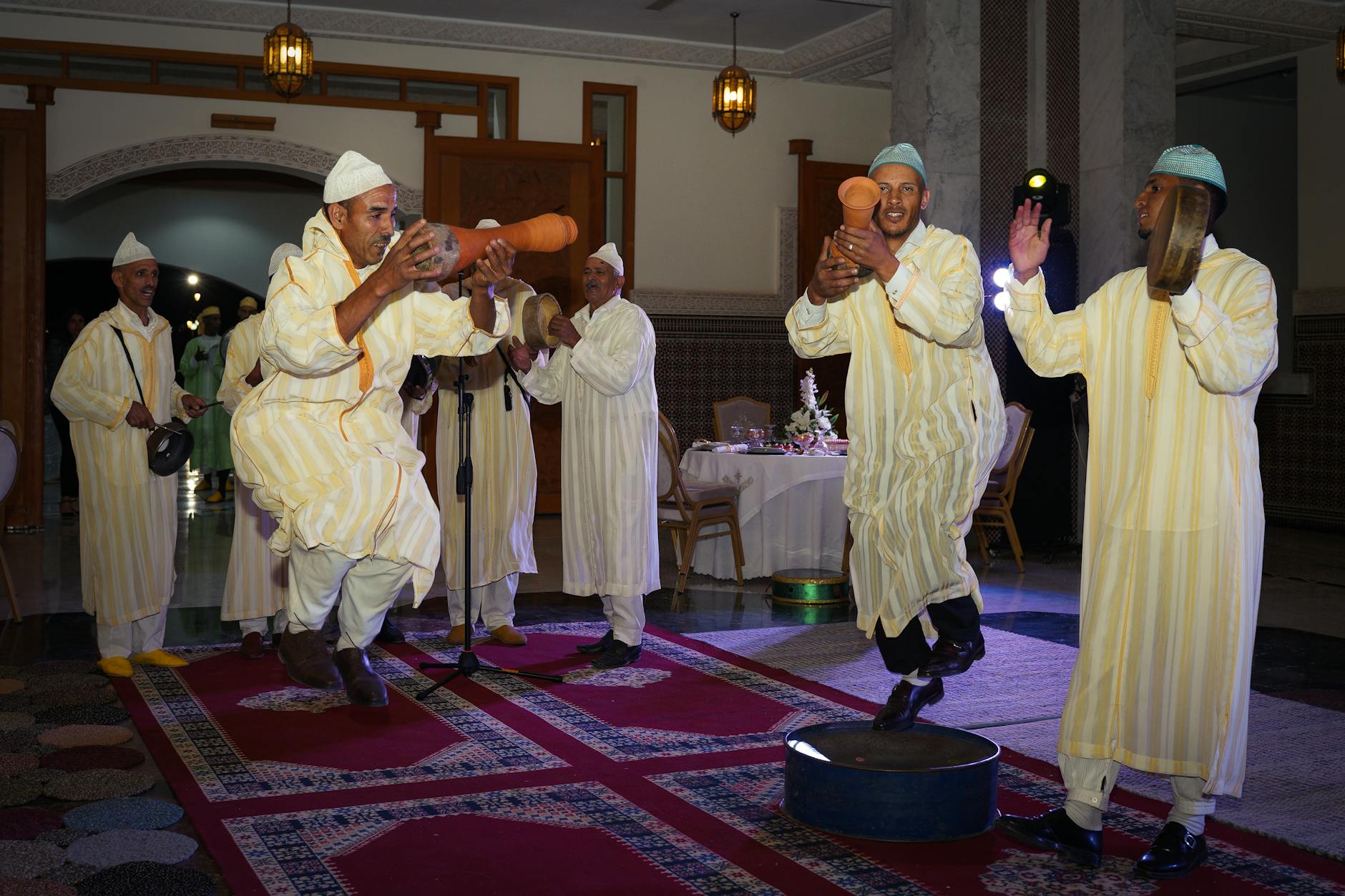
The biggest event on Essaouira’s calendar, and one of Africa’s most important music festivals. The Gnaoua Festival draws over 300,000 visitors over three days, transforming the town into a non-stop celebration of Gnaoua music and its fusion with jazz, blues, and world music.
What to Expect
Multiple open-air stages throughout the medina host performances from sunset until the early hours. The main stage at Moulay Hassan Square features headline acts — past performers include Marcus Miller, Maceo Parker, and Hindi Zahra. Smaller stages in the mellah and along the ramparts showcase emerging artists and traditional Gnaoua masters (maalems).
Budget Impact
The good news: Main stage concerts are free. You can enjoy world-class music without spending a dirham on tickets.
The bad news: Accommodation prices triple during the festival. A riad room that normally costs 300 MAD can hit 900-1200 MAD. Book at least 2-3 months in advance or consider staying in Sidi Kaouki (20 minutes away) where prices stay more reasonable.
For a complete breakdown of costs and budget strategies, see our dedicated Gnaoua Festival Budget Guide.
MOGA Festival (September 30 – October 4, 2026)
MOGA is Essaouira’s electronic music festival, celebrating its 10th anniversary in 2026. Unlike the Gnaoua Festival, MOGA is a ticketed event with a curated lineup of DJs and electronic artists performing across venues in and around the medina.
What to Expect
The festival transforms riads, rooftops, and the beach into stages. Past editions featured DJs like Âme, Acid Arab, and Nicola Cruz. The lineup blends international headliners with North African electronic artists, creating a sound that fits Essaouira’s Afro-Atlantic identity.
Prices & Tickets
Day pass: From €50
Full festival pass: From €120-180 (early bird pricing available on mogafestival.com)
VIP packages: Available with accommodation included
Budget tip: Even without a festival ticket, the atmosphere in Essaouira during MOGA is electric. Bars and restaurants host free side events, and you can often hear music drifting across the medina.
La Dolce Vita Italian Cinema Festival (April 15-18, 2026)
A charming film festival that screens Italian cinema classics and new releases in open-air venues around the medina. Essaouira’s connection to cinema runs deep — Orson Welles filmed Othello here in 1949, and the town has been a filming location ever since.
Entry: Free
Screenings: Usually at Dar Souiri cultural center and open-air locations
Language: Films in Italian with French subtitles
This is a small, intimate festival — perfect if you want a cultural experience without the massive crowds of Gnaoua.
Printemps Musical des Alizés (May 2026)
The « Musical Spring of the Trade Winds » is a classical and chamber music festival that brings European and Moroccan musicians together for concerts in intimate venues. Performances happen in the Dar Souiri cultural center, the Bayt Dakira (Jewish heritage museum), and the Portuguese church.
Entry: Free or very low cost (donations welcome)
Style: Classical, chamber music, Andalusian-Moroccan fusion
Vibe: Intimate — concerts rarely exceed 100-200 attendees
Budget tip: This is one of the best-kept secrets in Essaouira. You get concert-hall quality music in historic venues for free. May is also shoulder season, so accommodation is affordable.
Rajrajja Season (July-August)
Not a formal festival, but a natural phenomenon that transforms Essaouira into a watersports capital. The rajrajja are the powerful trade winds (alizés) that blow consistently from July through August, making conditions perfect for kitesurfing and windsurfing.
During this period, the beach fills with kites and the town buzzes with an international watersports crowd. Surf schools and kite schools run at full capacity, and you’ll find gear rental everywhere along the beach.
Budget tip: July and August are peak season and the most expensive months. However, wind conditions are unbeatable. Book accommodation early and consider surf camps that bundle lessons with lodging for better value.
Year-Round: Weekly Markets and Local Life
Beyond the big festivals, Essaouira has a rhythm of weekly events that don’t appear in any tourism brochure:
Sunday Souk: The weekly market outside Bab Doukkala where locals buy produce, spices, and household goods. Prices are significantly lower than in the medina tourist shops. Get there before 10am for the best selection.
Daily Fish Auction: Every afternoon around 3-4pm at the port, fishing boats return and the catch is auctioned off. It’s fascinating to watch and completely free. You can buy fresh fish here at wholesale prices and have it grilled at the port stalls for 10-20 MAD.
Gnaoua Music Sessions: Informal gnaoua music performances happen regularly at Place Moulay Hassan and in certain riads. During summer evenings, you’ll often stumble upon a group of musicians playing traditional gnaoua rhythms — just follow the sound of the guembri (bass lute).
Planning Around Events: Price Impact
| Period | Accommodation Price Level | Crowd Level | Recommendation |
|---|---|---|---|
| Jan-Feb | Lowest (€15-25/night) | Very quiet | Best for budget, mild weather |
| March-April | Low-Medium (€20-35) | Moderate | Great balance of price and weather |
| May | Medium (€25-40) | Moderate | Ideal month overall |
| Gnaoua Festival week | Very High (€50-120) | Packed | Book 3 months ahead |
| July-August | High (€35-60) | Busy | Best for watersports |
| September | Medium (€25-40) | Moderate | Warm, fewer crowds |
| MOGA Festival week | High (€40-80) | Busy | Book 2 months ahead |
| Nov-Dec | Low (€15-30) | Quiet | Cheapest, cooler evenings |
FAQ
What is the best time to visit Essaouira on a budget?
January through April and November through mid-December offer the lowest accommodation prices. May and September are the sweet spot — pleasant weather, moderate prices, and no major crowd spikes. Avoid the week of the Gnaoua Festival (late June) if budget is your top priority.
Is the Gnaoua Festival really free?
Yes, all main stage concerts are free and open to the public. Some private riad concerts and VIP areas may charge, but the core festival experience costs nothing. The budget challenge is accommodation, not tickets.
How do I find out about smaller events during my visit?
Check the notice boards at Dar Souiri cultural center on Place Moulay Hassan and at the tourist office near the clock tower. Local cafes like Taros and Café de France also post event flyers. The Facebook page « Essaouira Events » is another good resource.
Are there any events for families with children?
The Gnaoua Festival is very family-friendly during daytime hours, with street performers and open-air concerts. The Italian Cinema Festival sometimes includes children’s screenings. The daily fish auction and Sunday souk are great free activities for kids year-round.