
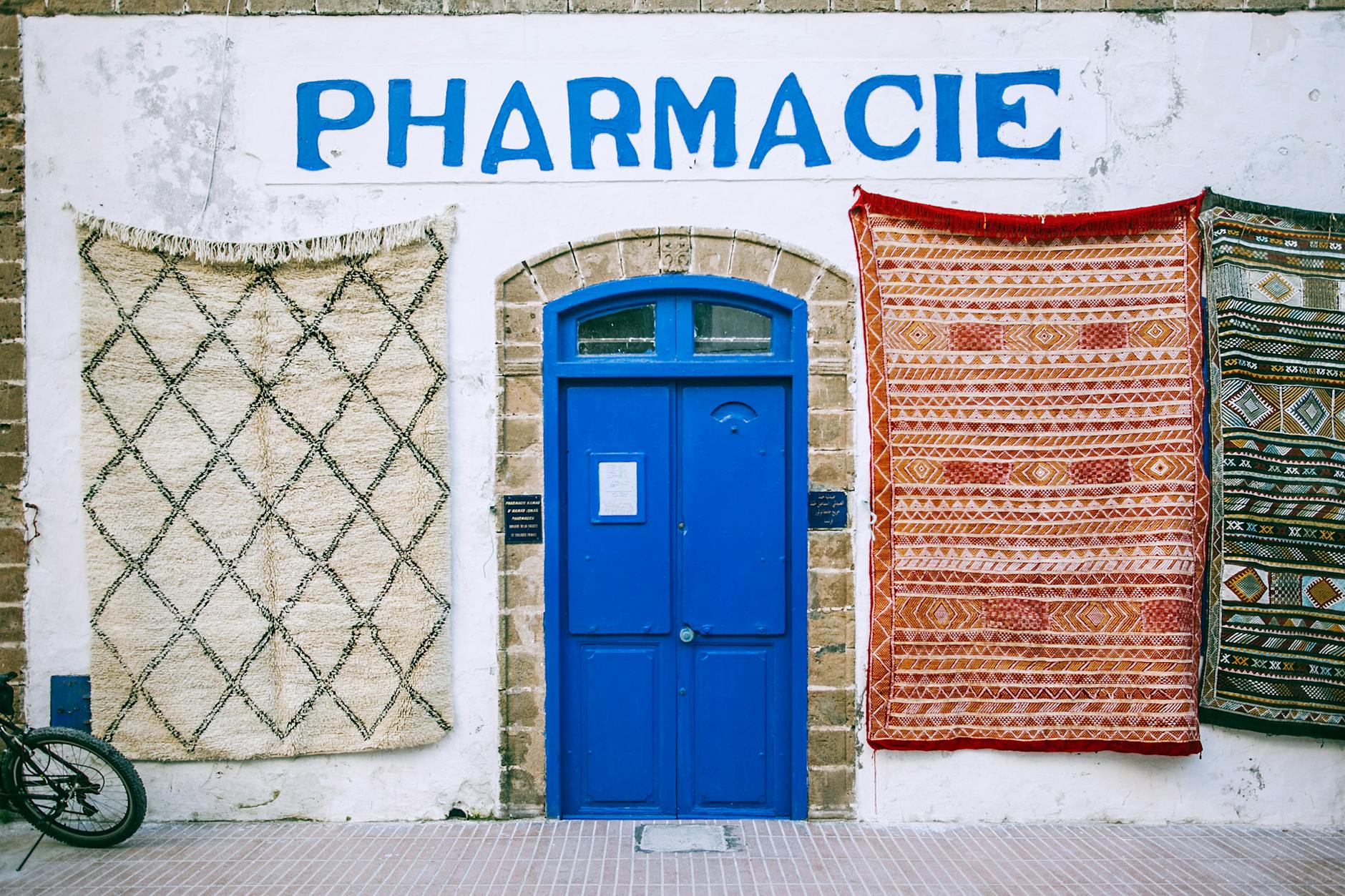
I made pretty much every rookie mistake possible on my first trip to Essaouira. Packed wrong, got lost constantly, overpaid for everything on day one, and had no idea how to handle the wind. These are the Essaouira tips I wish someone had told me before I went — 15 practical things that would have saved me time, money, and a lot of confusion. Whether it’s your first time in Morocco or your tenth, there’s probably something here that’ll make your trip smoother.
For the full planning picture, pair these tips with our daily budget breakdown and getting to Essaouira guide.
1. The Wind Is Not a Minor Detail — It Defines the Town
Every blog mentions Essaouira’s wind, but nothing prepares you for the reality. From April through September, the alizé trade winds blow hard enough to sandblast your legs on the beach. Afternoons are worst. This isn’t a gentle sea breeze — it’s a sustained 25-40 km/h gale that makes beach lounging miserable without shelter, sends napkins flying across restaurant terraces, and literally pushes you sideways when walking along the ramparts.
What I wish I’d done: Planned outdoor activities for mornings (wind is calm before 10-11am), packed a proper windbreaker, and brought sunglasses that actually sealed against my face. If you’re coming for the beach, September-October is the sweet spot — warm but calm. For more on this, read our best time to visit guide.
2. Bring Cash — ATMs Exist but Cards Don’t Work Everywhere
The medina runs on cash. Most shops, restaurants, street food stalls, and even some budget riads don’t take cards. There are ATMs near Bab Sbaa and Place Moulay Hassan, and they work fine — but withdraw enough to last you a couple of days. Running out of cash at 8pm when the ATMs have a queue is not fun.
What I wish I’d done: Withdrawn €50-100 / 550-1,100 MAD on arrival and kept it in my day bag. Budget about €15-28 / 165-308 MAD per day in cash for food, transport, and small purchases. Use a travel card with no foreign transaction fees to avoid the 3-5% bank surcharge.
3. You Don’t Need a Guide in the Medina (But a Map Helps)
Essaouira’s medina is small compared to Marrakech or Fes. You genuinely cannot get lost for long — walk in any direction and you’ll hit either the ocean, the ramparts, or a main street within 5-10 minutes. Self-appointed « guides » may approach you near the gates offering to lead you through the medina. You don’t need them, and saying « no, thank you » firmly (but politely) is perfectly fine.
What I wish I’d done: Downloaded offline Google Maps before arrival. The medina’s streets are mostly mapped, and it’s far more useful than any paper map. Our self-guided medina walking tour hits all the highlights without needing a guide.
4. The Fish Market Is the Best Meal You’ll Have
The fish market next to the port is not a tourist trap — it’s genuinely one of the best food experiences in Morocco. Here’s how it works: walk through the market, pick your fresh fish or seafood from the stalls, then take it to the grill section where they cook it for you on the spot. A full plate of grilled sardines, shrimp, or calamari with salad and bread costs €3-6 / 33-66 MAD.
What I wish I’d known: Go at lunchtime (12-2pm) when the fish is freshest and the grills are busiest. Prices are posted but you can still negotiate gently. Don’t be afraid of the stalls that look packed with locals — those are the best ones.
5. Moroccan Arabic Basics Go a Very Long Way
Most people in the tourist areas speak some French and basic English. But learning even five phrases in Darija (Moroccan Arabic) changes interactions completely. Shopkeepers warm up, prices drop, and you get genuine smiles instead of the tourist treatment.
The essentials:
- Salam alaykum — Hello (peace be upon you)
- Shukran — Thank you
- La, shukran — No, thank you (crucial for declining offers)
- Bshhal? — How much?
- Bezaf — Too much / too expensive
French is your backup — « Bonjour, » « merci, » and « combien? » will get you through most situations where Darija doesn’t land.
6. Haggling Is Expected — But There Are Rules
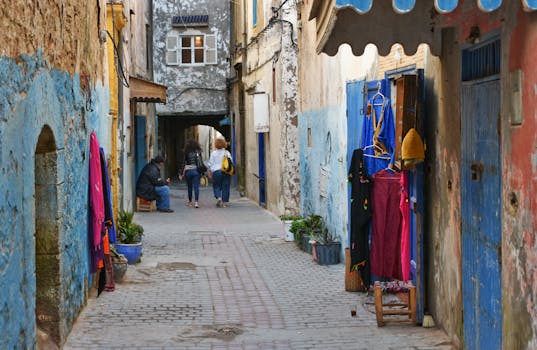
In the medina shops and markets, prices on most items (except food) are negotiable. Essaouira’s haggling culture is gentler than Marrakech — less aggressive, more good-natured. A reasonable approach:
- Ask the price (« Bshhal? »)
- Counter at about 40-50% of the asking price
- Meet somewhere in the middle (expect to pay 60-70% of the first price)
- Walk away if the price doesn’t feel right — if they let you go, it was probably fair
- Never haggle on food at restaurants or fixed-price shops (some newer shops have marked prices)
What I wish I’d known: The first price is always inflated, but not always outrageously so. In Essaouira, shopkeepers start at maybe 1.5-2x the « real » price, compared to 3-4x in Marrakech. Be fair — haggling is a conversation, not a battle.
7. Sunscreen Is Deceptively Important
The wind tricks you. You don’t feel the sun because the breeze keeps you cool, but the UV radiation is just as strong as any beach destination. I’ve seen lobster-red tourists stumbling around the medina who swore they « barely spent any time in the sun. » The reflection off the white medina walls makes it worse.
What I wish I’d done: Applied SPF 50 every morning, reapplied after lunch, and worn a hat. Bring sunscreen from home — it costs €8-12 / 88-132 MAD for a small bottle in Essaouira, versus €3-5 at home.
8. Accommodation Is Charming but Not Always Comfortable
The budget riads and hostels in the medina are full of character — tiled courtyards, carved plaster, rooftop terraces. Beautiful. But « character » sometimes comes with thin walls, cold showers in budget places, no heating in winter, and WiFi that barely loads WhatsApp. Know what to expect:
- Under €12 / 132 MAD per night: Basic but functional. Expect shared bathrooms, inconsistent hot water, and limited WiFi. Clean but no frills.
- €12-25 / 132-275 MAD: The sweet spot. Private rooms, usually private bathroom, breakfast often included, decent WiFi. This is where most budget travelers land.
- €25-45 / 275-495 MAD: Comfortable riads with proper amenities, reliable hot water, and often beautiful decor. Still very affordable.
What I wish I’d done: Read recent reviews (not just ratings) and specifically checked comments about hot water, WiFi, and noise. Book at least the first night in advance — arriving at midnight with no reservation is stressful [BOOKING_LINK].
9. The Medina Shuts Down Earlier Than You’d Think
Most shops close by 8-9pm. Restaurants that aren’t on the tourist circuit close by 10pm. By 11pm, the medina streets are quiet and dimly lit. This isn’t Marrakech’s Jemaa el-Fna — there’s no late-night action. If you’re a night owl, plan accordingly: eat dinner early, enjoy a rooftop cafe at sunset, and accept that evenings are low-key.
What I wish I’d known: The best evening activity is watching sunset from the ramparts or Skala, then having dinner at a local restaurant. Essaouira’s charm is in its calm — fighting it just leads to frustration.
10. The Beach Changes Dramatically with the Tide
Essaouira has significant tidal swings. At low tide, the beach is enormously wide — perfect for football, horse riding, and walking. At high tide, it shrinks considerably, and the waves reach closer to the dunes. If you’re planning a beach day, check tide times. Low tide in the morning followed by a midday retreat to the medina (when the wind picks up) is the ideal rhythm.
What I wish I’d known: The beach near the fishing port is sheltered and less windy. The beach further south (toward the kite area) is wider but fully exposed to the wind. Choose your spot based on conditions.
11. Tap Water Isn’t Safe to Drink
Don’t drink the tap water in Essaouira. This is standard across Morocco. Bottled water costs €0.30-0.50 / 3.3-5.5 MAD for 1.5 liters from any shop. A better budget and environmental option is to bring a reusable bottle and refill at your accommodation (many riads and hostels have filtered water) or buy a 5-liter jug for €0.70 / 7.7 MAD and refill from that.
Budget hack: A 5-liter jug of water from a medina shop lasts 2-3 days and costs less than two small bottles. Keep it in your room and refill your day bottle each morning.
12. Respect the Culture Without Overthinking It
Essaouira is one of Morocco’s most relaxed, tolerant towns. It has a history of welcoming outsiders — from Portuguese traders to 1960s hippies. That said, it’s still a conservative Muslim country, and a few basics show respect:
- Cover shoulders and knees when walking through residential parts of the medina (tourist areas are more relaxed)
- Ask before photographing people, especially women and elderly folks
- Don’t enter mosques (non-Muslims aren’t allowed in Morocco)
- During Ramadan, avoid eating, drinking, or smoking in public during daylight hours out of respect
- Alcohol is available but drinking in public isn’t appropriate — stick to bars and restaurants
What I wish I’d known: Being respectful is simple and makes your experience better. A smile and « salam » go further than any guidebook advice. People in Essaouira are genuinely friendly when you show basic courtesy.
13. The Supratours Bus Is the Best Way from Marrakech
If you’re coming from Marrakech (and most people are), the Supratours bus is your best budget option. It’s comfortable, air-conditioned, runs several times daily, costs €7-9 / 77-99 MAD, and takes about 3 hours. The CTM bus is similar. Check our full transport guide for schedules, tips, and alternatives.
What I wish I’d done: Booked the first morning bus (usually 7:30am) to arrive by 10:30am and have a full day. Buy tickets online the day before or at the station at least 2 hours early — popular departure times sell out, especially on weekends and holidays.
14. Street Food Is Safe (If You Follow the Locals)
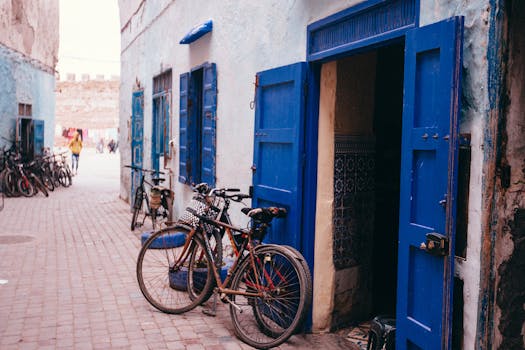
I was nervous about street food on my first trip. Wasted worry. Essaouira’s street food is generally safe if you follow one simple rule: eat where locals eat. A stall with a queue of Moroccans is using fresh ingredients and has high turnover. An empty stall might have food sitting around longer.
Budget-friendly street food to try:
- Sardine sandwich: €0.50 / 5.5 MAD — the cheapest meal in town
- Msemen (Moroccan pancake): €0.25-0.50 / 2.75-5.5 MAD with honey or cheese
- Harira soup: €0.50-1 / 5.5-11 MAD — hearty and filling, especially good in winter
- Avocado smoothie: €0.70-1 / 7.7-11 MAD — surprisingly delicious and everywhere
- Fried fish from port vendors: €1-2 / 11-22 MAD for a generous portion
For a complete rundown, see our cheap eats guide.
15. You’ll Want More Time Than You Think
Most people plan 1-2 days in Essaouira as a side trip from Marrakech. Almost everyone says they wish they’d stayed longer. The town has a slow, addictive rhythm that takes a day or two to settle into. Day one is orientation — finding your riad, walking the medina, getting your bearings. Day two is when you start discovering the hidden corners, the quiet cafes, the morning fish market routine. By day three, you’re living in Essaouira time.
My recommendation: Plan at least 3 full days. If you’re on a tight schedule, check our 1-day and 2-day itineraries to make the most of limited time. But honestly? Three days is the minimum to really feel the town.
Bonus: Quick-Reference Essaouira Tips Checklist
| Tip | Action |
|---|---|
| Wind | Pack a windbreaker, plan outdoor activities for mornings |
| Cash | Withdraw €50-100 / 550-1,100 MAD on arrival |
| Navigation | Download offline Google Maps before arriving |
| Food | Hit the fish market for lunch, street food for snacks |
| Language | Learn 5 Darija phrases (salam, shukran, bshhal, la shukran, bezaf) |
| Sun | SPF 50 daily, bring from home (cheaper) |
| Accommodation | Book first night ahead, read recent reviews for WiFi/hot water |
| Transport | Book Supratours bus from Marrakech the day before |
| Water | Buy a 5L jug, refill your bottle daily |
| Time | Plan 3+ days minimum |
FAQ: Essaouira Tips for First-Time Visitors
Is Essaouira safe for solo travelers?
Yes, Essaouira is one of Morocco’s safest towns for tourists, including solo female travelers. Petty theft can happen (as in any tourist destination), so keep valuables secure. The medina feels safe to walk even after dark, though it gets very quiet. Harassment is much less common here than in Marrakech or Fes. Read our detailed Essaouira safety guide for more.
How many days do I need in Essaouira?
Three days is the sweet spot for most travelers. One day for the medina and port, one for the beach and activities, one for day trips or relaxing. You can see the highlights in one day if you’re on a tight schedule, but you’ll feel rushed. Five to seven days lets you fully decompress and explore at Essaouira’s natural pace.
What should I buy in Essaouira?
The best-value purchases are argan oil (€5-8 / 55-88 MAD for a quality bottle — buy from women’s cooperatives for fair trade), thuya wood products (unique to the region), leather goods (cheaper than Marrakech), and woven textiles. Our markets and shopping guide has detailed advice on quality and fair prices.
Do I need to speak French in Essaouira?
It helps but isn’t required. In tourist areas (riads, restaurants, shops), enough English is spoken to get by. French is more widely spoken than English and will open more doors. A few words of Darija (Moroccan Arabic) will get you the warmest reception. Between English, French, and five Darija phrases, you’ll communicate just fine.
Is Essaouira worth visiting in winter?
Absolutely. Winter (December-February) is Essaouira’s cheapest season with the fewest tourists. Temperatures are mild (17-19°C daytime), the wind is calm, and accommodation prices drop significantly. It’s too cool for beach lounging, but perfect for medina exploration, food tours, and cultural experiences. Pack warm layers for evenings. Check our seasonal guide for details.