
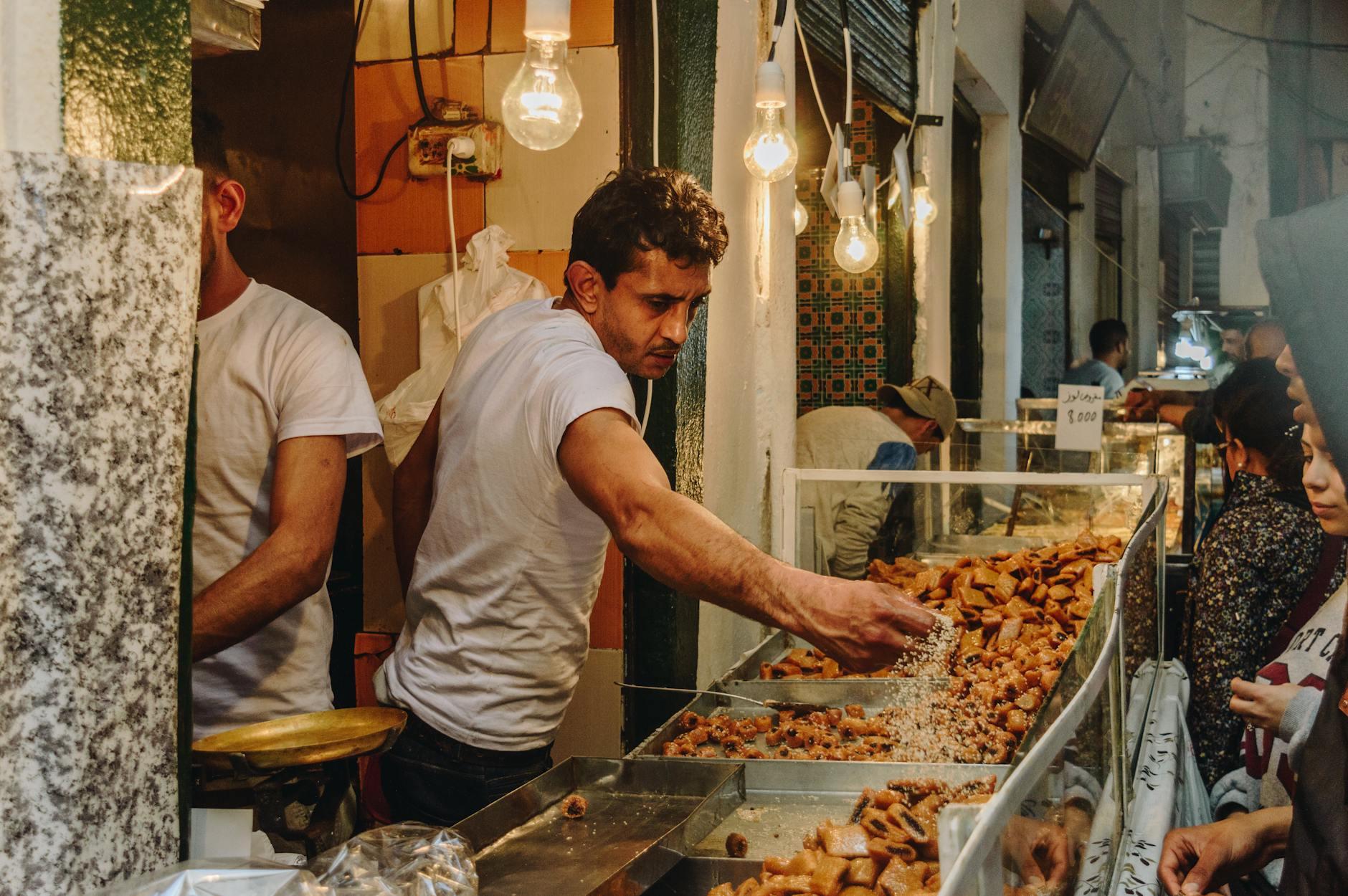
Here’s a hard truth about eating in Essaouira: the restaurants with the prettiest rooftop terraces and English menus are almost never the ones serving the best food. The spots where locals actually eat — tucked into narrow medina alleys, hidden behind unmarked doors, or squeezed into market corners — are where you’ll find the most flavourful tagines, the freshest fish, and prices that won’t make you wince. This guide reveals the essaouira local restaurants that real Souiris love, complete with 2026 prices, exact locations, and what to order when you get there.
If you want a broader overview of budget eating options, check out our Best Cheap Eats in Essaouira guide. But if you’re specifically looking for the places tourists walk right past? Keep reading.
Why Eating Where Locals Eat Matters in Essaouira
It’s not just about saving money — though you absolutely will. Eating at essaouira local restaurants means fresher ingredients (higher turnover), more generous portions, and the kind of slow-cooked, spice-layered cooking that tourist spots simply can’t replicate when they’re churning out 200 covers a night. You’ll also get to experience the social side of Moroccan dining: shared tables, animated conversations in Darija, and the occasional tea offered on the house because the owner saw you enjoying his grandmother’s recipe.
The price difference is real too. A tagine at a tourist-facing spot on Place Moulay Hassan will run you 80–150 MAD (€7.30–€13.60). The same dish — often better — at a local joint costs 30–55 MAD (€2.70–€5). Over a week, that adds up fast.
Hidden Local Restaurants Inside the Medina
The medina is where you’ll find the highest concentration of local eateries. Most don’t have websites, some don’t even have signs, and almost none appear on Google Maps. That’s part of the charm.
Hole-in-the-Wall Tagine Spots on Rue Laalouj
Rue Laalouj, one of the medina’s busiest local streets, is lined with tiny restaurants that serve just two or three dishes a day — whatever the cook prepared that morning. You’ll usually find a chicken tagine, a kefta (meatball) tagine, and sometimes a fish option. Meals come with mountains of bread and are eaten at communal tables. Expect to pay 30–45 MAD (€2.70–€4.10) per person. The trick is to go between noon and 1:30 PM — that’s when everything is freshest and the locals pile in.
The Berber Restaurants Near Bab Doukkala
Just inside Bab Doukkala gate, there’s a cluster of small restaurants run by Berber families from the surrounding countryside. These places specialise in hearty, rustic cooking — think slow-simmered lentil stews, tangia (a meat dish cooked overnight in an earthenware pot), and enormous plates of couscous on Fridays. Portions are enormous and prices rarely exceed 40 MAD (€3.60). Look for the spots with plastic tables and a TV blaring Arabic news — that’s your sign you’re in the right place.
Hidden Seafood Joints Near the Skala
While most tourists head to the fish market stalls by the port (which are great — see our Fish Market Guide), locals who want a sit-down seafood meal head to the small restaurants tucked into the streets behind the Skala de la Ville. These spots get their fish directly from the morning catch and serve it grilled, fried, or in a chermoula-spiced tagine. A full fish meal with salad, bread, and tea typically costs 50–70 MAD (€4.50–€6.40). Ask for the poisson du jour (fish of the day) — it’s always the freshest option.
Where Locals Go for Breakfast
Moroccan breakfast is a thing of beauty, and locals treat it seriously. Forget the hotel buffet — here’s where Souiris start their day.
Bakeries Along Rue Mohamed El Qory
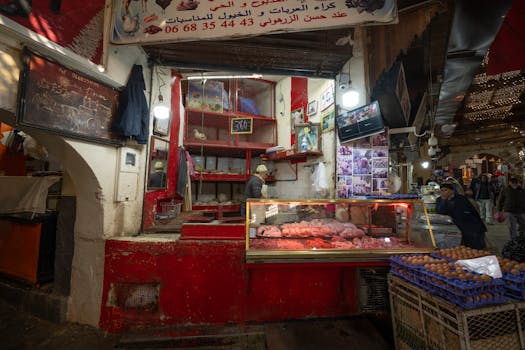
Every morning, locals queue at neighbourhood bakeries for fresh msemen (flaky flatbread), baghrir (spongy pancakes), and khobz (round bread still warm from the wood-fired oven). Most bakeries also sell small pastries filled with almond paste or honey for 2–5 MAD (€0.20–€0.45) each. Pair it with a glass of fresh orange juice from the cart outside — 10 MAD (€0.90) — and you have a perfect breakfast for under €1.50.
Bessara Stands (Fava Bean Soup)
The ultimate local breakfast is bessara — a thick, creamy soup made from dried fava beans, drizzled with olive oil and sprinkled with cumin. It’s served in small bowls with bread for dipping and costs just 8–12 MAD (€0.70–€1.10). You’ll find bessara stands near most neighbourhood mosques in the early morning. The one near the Moulay Youssef mosque is particularly popular. It’s filling, nutritious, and genuinely delicious — don’t skip it.
Local Lunch Spots You Need to Know
Lunch is the main meal in Morocco, and it’s when local restaurants are at their best. Dishes are prepared fresh each morning, and by noon the pots are bubbling.
Couscous Friday Traditions
Every Friday, Moroccan families eat couscous — it’s practically a religious ritual. Many local restaurants serve enormous plates of hand-rolled couscous topped with seven vegetables, tender lamb or chicken, and a flavourful broth for 35–50 MAD (€3.20–€4.50). If you’re in Essaouira on a Friday, make it your mission to find one. The restaurants near the mellah (old Jewish quarter) are particularly good for Friday couscous. Get there by 12:30 PM — once the pot is empty, that’s it for the day.
Rotisserie Chicken Shops
Scattered throughout the medina and the new town, small rotisserie shops slow-roast whole chickens over charcoal. A half chicken with fries, salad, and bread costs 30–40 MAD (€2.70–€3.60), and a whole chicken is 50–60 MAD (€4.50–€5.50) — enough for two hungry travellers. The ones on Avenue de l’Istiqlal in the new town tend to be the best value. Take it to the beach for an unforgettable picnic.
Market Food Stalls in the Souk
Inside the main souk, especially around the spice market area, small stalls serve daily specials like rfissa (shredded msemen in a lentil and chicken sauce), harira (tomato and lentil soup), and seasonal vegetable stews. These are home-style dishes you won’t find on tourist menus. Prices range from 20–40 MAD (€1.80–€3.60). For more on navigating the souk, see our Markets & Shopping Guide.
Dinner Spots Locals Love
Dinner in Morocco is typically lighter than lunch, but several local spots serve full evening meals that are well worth seeking out.
Grilled Meat Stands in the New Town
After dark, small grilled-meat stands fire up along Avenue Zerktouni and near the bus station in the new town. These serve brochettes (skewered lamb or beef), kefta sandwiches, and merguez (spicy sausage) in fresh bread with harissa and salad. A filling sandwich costs 15–25 MAD (€1.40–€2.30), or get a mixed plate for 35–50 MAD (€3.20–€4.50). The atmosphere is lively — plastic stools, fluorescent lights, lots of locals eating shoulder to shoulder.
Late-Night Harira and Bread
During Ramadan and the cooler months, some medina stalls stay open late serving bowls of harira with dates and chebakia (sesame cookies). Even outside Ramadan, a few spots near Bab Marrakech serve harira in the evening for 10–15 MAD (€0.90–€1.40). It’s the perfect light dinner when you’ve had a big lunch.
Local Cafes and Tea Spots
Cafe culture runs deep in Essaouira. Locals spend hours over a single glass of mint tea, and the cafe is where much of social life happens.
No-Name Cafes on Side Streets
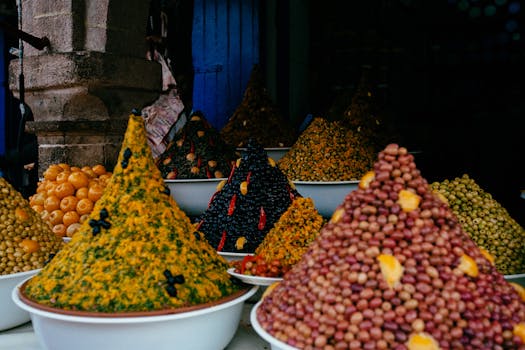
Skip the scenic terrace cafes on Place Moulay Hassan (where tea costs 15–20 MAD) and duck into the small cafes on the residential side streets. Here, a glass of mint tea is 6–8 MAD (€0.55–€0.70), nous-nous (half coffee, half milk) is the same price, and you’ll be surrounded by locals playing cards, watching football, or chatting. The cafe culture in these spots is authentic and welcoming — don’t be shy about sitting down even if you’re the only tourist.
Juice Bars in the Souk
Fresh juice stands are everywhere, but locals have their favourites. The ones near the entrance to the spice souk tend to be cheapest — 10 MAD (€0.90) for a big glass of orange juice, or try an avocado and almond milk smoothie for 15–20 MAD (€1.40–€1.80). In summer, look for khoudenjal — a refreshing drink made from dates, almonds, and milk. For more on street food and drinks, see our Street Food Guide.
Tips for Eating at Local Restaurants in Essaouira
- Go early for lunch: Local restaurants often run out of the day’s dishes by 2 PM. Aim for noon to 1:30 PM for the best selection.
- Bring cash: Almost no local restaurant accepts cards. Keep small bills (20 and 50 MAD notes) handy.
- Learn a few words: Saying « bslama » (goodbye) and « bsaha » (bon appetit/cheers) goes a long way. Locals appreciate the effort.
- Don’t be afraid of language barriers: Many local spots have no menu — just point at what others are eating or ask « ash kayn lyoum? » (what’s available today?).
- Share tables happily: Communal seating is normal. You might end up sharing a table with a fisherman or a shopkeeper — and that’s part of the experience.
- Tip modestly: Locals leave small change — 2–5 MAD on a meal. You don’t need to leave 15% like in Europe.
- Trust the crowds: If a tiny restaurant has a queue of locals outside, join it. High turnover means fresh food.
Price Comparison: Local vs Tourist Restaurants
| Dish | Local Restaurant Price | Tourist Restaurant Price |
|---|---|---|
| Chicken tagine | 30–45 MAD (€2.70–€4.10) | 80–120 MAD (€7.30–€10.90) |
| Kefta tagine | 35–50 MAD (€3.20–€4.50) | 90–130 MAD (€8.20–€11.80) |
| Grilled fish plate | 50–70 MAD (€4.50–€6.40) | 100–180 MAD (€9.10–€16.40) |
| Couscous (Friday) | 35–50 MAD (€3.20–€4.50) | 80–140 MAD (€7.30–€12.70) |
| Mint tea | 6–8 MAD (€0.55–€0.70) | 15–25 MAD (€1.40–€2.30) |
| Fresh orange juice | 10 MAD (€0.90) | 15–25 MAD (€1.40–€2.30) |
As you can see, eating at local spots saves you roughly 50–60% on every meal. Over a week, that could mean saving €50–€80 — enough for an extra night’s accommodation. Speaking of which, check out our Best Budget Hostels Guide for affordable places to sleep.
A Sample Day Eating Like a Local
Here’s what a full day of eating at essaouira local restaurants and food spots looks like:
- 8:00 AM — Breakfast: Msemen and honey from a bakery (8 MAD) + fresh OJ from a street cart (10 MAD) = 18 MAD (€1.60)
- 10:30 AM — Mid-morning: Bessara bowl with bread (10 MAD) = 10 MAD (€0.90)
- 1:00 PM — Lunch: Chicken tagine with bread and tea at a Rue Laalouj hole-in-the-wall (40 MAD) = 40 MAD (€3.60)
- 4:00 PM — Snack: Mint tea at a local cafe (7 MAD) + pastry (5 MAD) = 12 MAD (€1.10)
- 8:00 PM — Dinner: Brochette sandwich at a grilled meat stand (20 MAD) = 20 MAD (€1.80)
Total: 100 MAD (roughly €9) for a full day of genuinely great food. Compare that to the €20–€30+ you’d spend eating at tourist restaurants, and the case for going local is pretty clear.
For a complete breakdown of all daily costs in Essaouira, see our Daily Budget & Costs Guide.
👨🍳 Book Cooking Experiences on Viator:
- Cooking Class: Be a Real Moroccan Chef — from $41, rated 4.9★ (126 reviews)
- L’Atelier Madada Cooking Workshop — from $71, rated 4.9★ (126 reviews)
- Bread & Msemen Workshop — from $31, rated 5.0★
- Moroccan Pastry Course — from $36
For evening entertainment after dinner, check out our Essaouira Nightlife on a Budget guide — it covers the best bars and live music spots where locals also hang out.
Our Top Local Picks: Quick Reference
| Restaurant | What to Order | Price Range | Location Tip |
|---|---|---|---|
| Restaurant Baghdad | Grilled lobster, mixed seafood | 60–100 MAD | Rue El Khabbazine — look for the blue door |
| Restaurant Khmissa | Tagine, couscous Friday special | 40–70 MAD | Ask locals — everyone knows it |
| Port Grill Stalls | Choose-your-own grilled fish | 50–80 MAD | Go between 11am–1pm for freshest catch |
| Rue Laalouj hole-in-the-walls | Kefta tagine, harira | 30–50 MAD | Walk past the tourist zone until menus are Arabic-only |
Is it safe to eat at local restaurants in Essaouira?
Absolutely. Local restaurants rely on regular customers, so food quality and freshness are typically excellent. The key indicators are high turnover (lots of locals eating there) and visible cooking areas. Stick to cooked dishes and you’ll be fine. For more on safety, see our Is Essaouira Safe? guide.
Do I need to speak French or Arabic to eat at local spots?
It helps but isn’t essential. Many local restaurants have no written menu — you’ll point at what others are eating or the cook will show you the pots. A smile and a few basic words (shukran for thank you, bsaha for bon appetit) are usually enough. Some younger staff speak basic English too.
What if I have dietary restrictions?
Vegetarians will find options (vegetable tagines, bessara, salads, eggs) but they’re more limited at local spots. Vegans will need to communicate carefully, as butter and dairy are used liberally. Gluten-free is tricky since bread accompanies everything. For allergies, learning the Arabic word for your allergen is wise — or carry a translated card.
When is the best time to eat at local restaurants?
Lunch between 12:00 and 1:30 PM is the golden window — everything is freshly cooked and the atmosphere is buzzing. For breakfast, arrive between 7:30 and 9:00 AM. Dinner is generally lighter, with grilled-meat stands firing up around 7:30 PM. Friday lunchtime is special for couscous.
How much should I budget for food per day eating locally?
If you eat exclusively at local spots, €8–€12 per day (88–132 MAD) covers three meals plus snacks and drinks. Even with the occasional splurge at the fish market, you can stay under €15 per day. That’s remarkably affordable by any standard.