
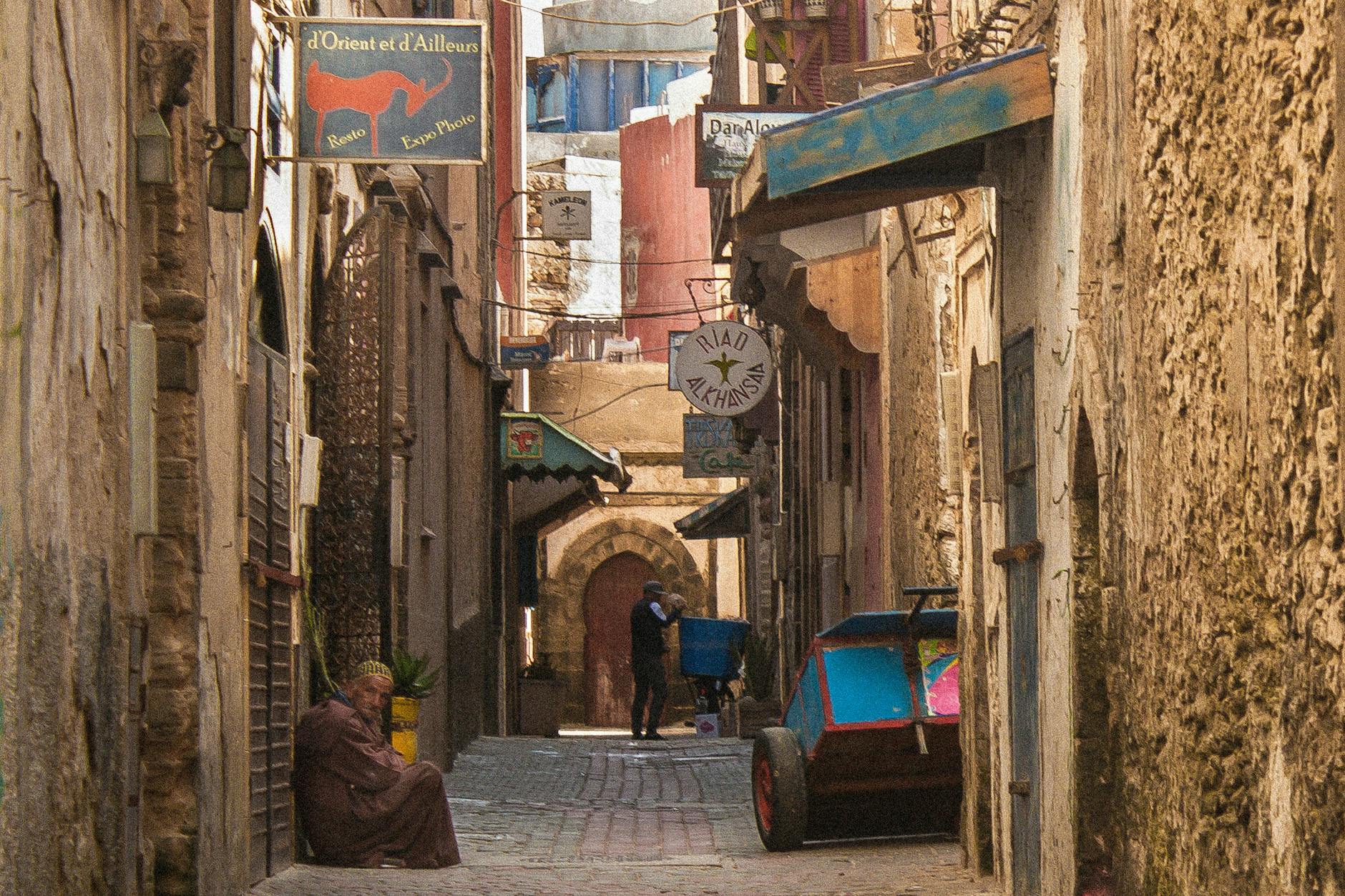
Shopping in Essaouira is one of those experiences that manages to be exciting without being exhausting. Unlike the high-pressure souks of Marrakech or Fez, Essaouira shopping is refreshingly relaxed — vendors greet you with genuine warmth, prices are fairer, and the quality of craftsmanship is often higher. The medina’s markets are filled with argan oil, thuya wood carvings, Berber silver, handwoven textiles, and spices, most of them produced locally or regionally. Whether you’re hunting for souvenirs, stocking up on spices to take home, or simply browsing the colorful stalls for the sheer joy of it, this guide covers every market and shopping zone in Essaouira, what things should cost, and how to get the best deals.
Pair this guide with our daily budget breakdown to see how shopping fits into your overall trip spending.
Overview of Essaouira’s Shopping Areas
Essaouira’s medina is compact, and most of the shopping is concentrated in a few clearly defined zones. Here’s a quick map of the main areas:
- The main souk streets — The two parallel streets running through the center of the medina (Avenue de l’Istiqlal and Avenue Sidi Mohamed Ben Abdellah) are where you’ll find the densest concentration of shops.
- The spice souk — A dedicated area near the center of the medina with aromatic pyramids of spices, dried herbs, and natural cosmetics.
- The jewelry souk — A cluster of silver and jewelry shops in the heart of the medina, specializing in Berber and Tuareg designs.
- The woodworking quarter — Near the Skala de la Ville, where artisans carve and sell thuya wood items.
- The fish and produce market — Near the port, primarily for food but also a great cultural experience.
- The joutia (flea market) — A more local market selling secondhand goods, household items, and the occasional hidden treasure.
What to Buy in Essaouira: The Best Souvenirs
Argan Oil
Essaouira is at the heart of Morocco’s argan-producing region, and buying argan oil here means you’re close to the source. There are two types: culinary argan oil (roasted, dark, nutty) for cooking and cosmetic argan oil (cold-pressed, lighter) for skin and hair. The culinary version has a distinctive rich flavor that’s incredible on salads, couscous, and bread.
| Product | Size | Fair Price (MAD) | Fair Price (EUR) |
|---|---|---|---|
| Cosmetic argan oil (pure) | 100ml | 80-120 MAD | €7.25-€10.90 |
| Culinary argan oil | 250ml | 100-150 MAD | €9.10-€13.65 |
| Culinary argan oil | 500ml | 180-250 MAD | €16.35-€22.70 |
| Amlou (argan + almond + honey spread) | 250g jar | 40-70 MAD | €3.65-€6.35 |
How to spot quality: Good cosmetic argan oil should be light golden, smell faintly nutty, and absorb quickly into skin without leaving a greasy residue. If it smells strongly or looks very dark, it may be old or diluted. Culinary argan oil should be deep amber and intensely aromatic. Buy from cooperatives or reputable shops that let you taste before buying.
Where to buy: The women’s argan cooperatives on the outskirts of town offer fair-trade prices and you can watch the production process. In the medina, shops along the main souk streets stock both varieties. Avoid buying from aggressive touts who approach you on the street.
Thuya Wood Products
Thuya is an aromatic wood native to the Essaouira region, and the city has been a center of thuya woodworking for centuries. The wood has beautiful burl patterns and a distinctive cedar-like scent. Artisans carve everything from small boxes and chess sets to elaborate tables and decorative items. The workshops near the Skala de la Ville are where most of the carving happens — you can watch artisans at work before buying.
| Item | Price Range (MAD) | Price Range (EUR) |
|---|---|---|
| Small box (jewelry/trinket) | 30-80 MAD | €2.70-€7.25 |
| Medium decorative box | 80-200 MAD | €7.25-€18.20 |
| Chess set | 150-500 MAD | €13.65-€45.45 |
| Serving bowl | 60-150 MAD | €5.45-€13.65 |
| Large decorative table | 1,000-5,000+ MAD | €90.90-€454.55+ |
How to spot quality: Look for tight, intricate burl patterns in the wood grain. The best pieces are made from solid thuya burl rather than regular thuya trunk wood. Well-finished items should be smooth, evenly polished, and smell distinctly aromatic when you scratch the surface lightly. Avoid pieces with visible glue lines or uneven joins.
Berber Silver Jewelry
Essaouira’s jewelry souk specializes in Berber and Tuareg silver — bold, geometric designs with semi-precious stones like coral, amber, and turquoise. Pieces range from delicate rings and bracelets to chunky statement necklaces and ornate fibulas (traditional brooches). The craftsmanship reflects centuries of nomadic Amazigh tradition.
| Item | Price Range (MAD) | Price Range (EUR) |
|---|---|---|
| Simple silver ring | 30-80 MAD | €2.70-€7.25 |
| Silver bracelet | 80-250 MAD | €7.25-€22.70 |
| Berber necklace | 150-600 MAD | €13.65-€54.55 |
| Tuareg cross pendant | 80-200 MAD | €7.25-€18.20 |
| Antique fibula (pair) | 200-1,000+ MAD | €18.20-€90.90+ |
How to spot quality: Real silver will feel heavier than it looks and often has a slightly rough, handmade quality. Ask the seller to stamp or test the piece if you’re spending more than 200 MAD. Many pieces are silver-plated rather than solid silver — this isn’t necessarily bad, but the price should reflect it. Genuine antique pieces command higher prices and are harder to evaluate without experience.
Spices and Herbs
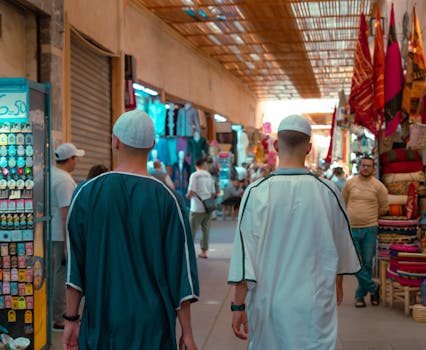
The spice souk is a visual and aromatic feast. You’ll find cumin, saffron, ras el hanout, dried rosebuds, preserved lemons, and dozens of other spices and herbs displayed in colorful pyramids. Buying spices here is dramatically cheaper than in Europe and the quality is excellent.
| Spice | Quantity | Fair Price (MAD) | Fair Price (EUR) |
|---|---|---|---|
| Ras el hanout (spice blend) | 100g | 15-30 MAD | €1.35-€2.70 |
| Cumin (ground or whole) | 100g | 10-20 MAD | €0.90-€1.80 |
| Saffron (genuine) | 1g | 15-30 MAD | €1.35-€2.70 |
| Dried rosebuds | 50g | 10-20 MAD | €0.90-€1.80 |
| Herbal tea blends | 100g bag | 15-30 MAD | €1.35-€2.70 |
Saffron warning: Real saffron is expensive everywhere — if someone offers you a large quantity at a suspiciously low price, it’s almost certainly safflower or dyed corn silk. Genuine saffron threads are deep red, smell distinctly floral, and dissolve slowly in warm water releasing a golden-yellow color. Taste a single thread — it should be slightly bitter.
Textiles and Woven Goods
Handwoven blankets, scarves, and caftans are everywhere in Essaouira’s souks. The quality ranges from machine-made tourist items to genuinely handcrafted pieces from the Atlas Mountains. Look for Berber blankets with traditional geometric patterns, lightweight cotton scarves, and embroidered cushion covers.
- Cotton scarf: 30-80 MAD / €2.70-€7.25
- Handwoven Berber blanket: 200-600 MAD / €18.20-€54.55
- Embroidered cushion cover: 60-150 MAD / €5.45-€13.65
- Leather babouche slippers: 50-120 MAD / €4.55-€10.90
Other Worth-Buying Items
- Moroccan ceramics and pottery: Hand-painted bowls, plates, and tagines. Small bowls start at 20-40 MAD / €1.80-€3.65.
- Gnaoua instruments: Small krakeb (iron castanets) make unique souvenirs at 30-60 MAD / €2.70-€5.45. Guembris (three-stringed bass instruments) are larger and pricier at 300-800 MAD / €27.25-€72.70.
- Natural cosmetics: Black soap (savon noir), ghassoul clay, rose water, and orange blossom water. Small bottles start at 15-30 MAD / €1.35-€2.70.
- Paintings and art: Essaouira is Morocco’s art capital. Paintings by local artists range from 100 MAD to several thousand depending on the artist and size.
How to Haggle in Essaouira
Bargaining is part of the souk experience, but Essaouira’s vendors are generally more straightforward than in larger Moroccan cities. Here’s how to negotiate respectfully and effectively:
- Start at 40-50% of the asking price. In Essaouira, vendors typically start 50-100% above what they’ll accept. Opening at 40% gives you room to meet in the middle.
- Be friendly and patient. Chat, accept the tea if offered, and treat the interaction as a conversation rather than a confrontation. Aggressive haggling is considered rude here.
- Know your prices. Use the price tables in this guide as benchmarks. If a vendor’s starting price is wildly above the fair range, it tells you something about the shop.
- Walk away if you’re not feeling it. The « walk away » technique works, but only use it if you genuinely mean it. If the vendor calls you back with a lower price, great. If not, there are plenty of other shops selling similar items.
- Don’t haggle over tiny amounts. Negotiating over 5-10 MAD (less than a euro) on a small item is not worth anyone’s time and comes across poorly.
- Buy multiple items for better deals. If you’re buying several things from one vendor, negotiate a package deal. This is where the biggest savings happen.
- Fixed-price shops exist. Some shops (especially cooperatives and modern boutiques) have fixed prices. These are generally fair and save you the negotiation effort.
The Joutia: Essaouira’s Flea Market
The joutia is a chaotic, fascinating open-air market where locals sell everything from secondhand clothing and household items to random electronics, tools, and the occasional genuine antique. It’s located just outside the medina walls near Bab Doukkala. This isn’t a tourist-oriented market — prices are low, the atmosphere is raw, and the finds can be extraordinary if you’re patient. Vintage Berber jewelry, old brass trays, and interesting textiles sometimes turn up here for a fraction of souk prices.
When to visit: The joutia is busiest on Sunday mornings. Get there early (8-10 AM) for the best selection.
What to expect: No English spoken, no fixed prices, and no tourist polish. This is shopping in its rawest, most Moroccan form. Bring small bills and coins.
Essaouira’s Produce and Fish Markets
Even if you’re not cooking, the food markets are worth visiting for the cultural experience alone. The produce market inside the medina sells fruits, vegetables, olives, and preserved lemons at prices that’ll make European supermarkets weep. The fish market at the port is a sensory explosion: glistening sardines, giant prawns, squid, and sea bream displayed on beds of ice while vendors call out prices.
For travelers staying in a riad with kitchen access, the produce market is a goldmine. A bag full of fresh vegetables, fruit, and bread for a day costs around 20-30 MAD / €1.80-€2.70. Combine market shopping with our tips from the cheap eats guide to eat incredibly well on a tiny budget.
Shopping Tips and Scams to Avoid
- Avoid « my uncle’s shop » tours. If someone offers to take you to a special shop where you’ll get « local prices, » politely decline. These guides earn commission, which gets added to your price.
- Test argan oil before buying. Reputable shops let you taste culinary argan oil and test cosmetic oil on your skin. If they won’t let you try, move on.
- Check saffron carefully. Real saffron has distinct individual threads with a trumpet-shaped tip. Fake saffron is often dyed corn silk or safflower. If the price seems too good to be true, it is.
- Shipping large items. Some shops offer to ship furniture or large items home. Get everything in writing, including delivery timelines and insurance. Better yet, use a reputable international shipper independently rather than the shop’s service.
- Carry small bills. Vendors often claim they don’t have change for large notes. Carry plenty of 10 and 20 MAD notes for small purchases.
- Credit cards. Most souk vendors are cash-only. Some larger shops accept cards but may add a surcharge. ATMs are available along Avenue de l’Istiqlal.
Best Time to Shop in Essaouira
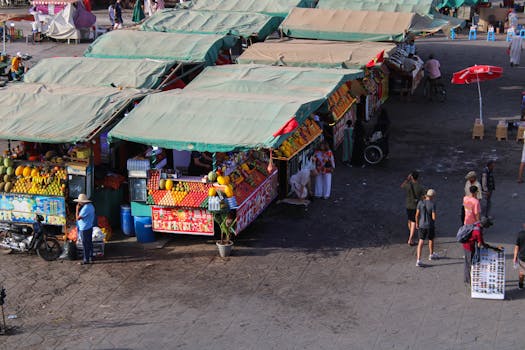
- Morning (9-11 AM): Shops are freshly opened, vendors are relaxed, and the souks are less crowded. Best for browsing and getting good prices.
- Late afternoon (4-6 PM): After the midday heat, shops reopen and the energy picks up. Good for bargain hunting as vendors may be more flexible near closing time.
- Avoid Friday midday: Many shops close for Friday prayers (12:30-2:30 PM). Plan your shopping around this.
- Sunday morning: Best for the joutia flea market outside the walls.
After a morning of market browsing, you’ve earned a rest. Grab some lunch at the port fish stalls and then head to one of the best sunset spots to end the day. If you’re following one of our itineraries, the 1-day itinerary includes a focused market circuit.
For a deeper dive into bargaining tactics, what to buy, and where to find the best deals, check our comprehensive Shopping in Essaouira Medina: Budget Souvenirs & Bargaining Tips guide.
FAQ: Shopping in Essaouira
Is shopping in Essaouira cheaper than Marrakech?
Generally yes. Essaouira’s souk prices tend to be 15-30% lower than Marrakech for similar items, partly because rent is cheaper and partly because there’s less tourist markup. The bargaining is also less intense, which many visitors prefer.
What is the best souvenir to buy in Essaouira?
Argan oil is the signature purchase — you’re buying it at the source, the quality is excellent, and it’s lightweight and easy to pack. Thuya wood boxes are a close second for a distinctly Essaouira souvenir. Both are locally produced and you won’t find the same quality elsewhere in Morocco.
Do I need to haggle for everything?
Not everything. Fixed-price shops and cooperatives (especially argan cooperatives) have set prices that are usually fair. In the souks, haggling is expected for crafts, textiles, jewelry, and most non-food items. You generally don’t haggle for food, drinks, or items with marked prices.
How much cash should I bring for shopping?
For casual souvenir shopping, 300-500 MAD / €27-€45 will get you a nice selection of small items (argan oil, spices, a small thuya box, a scarf). Serious shoppers should bring 1,000-2,000 MAD / €90-€180 or more. ATMs are available in the medina if you run out.
Can I bring argan oil and spices home in my luggage?
Yes, but pack them in your checked luggage. Liquids (including argan oil) in carry-on must comply with the 100ml airline limit. Spices are fine in carry-on but may trigger additional screening. Double-bag everything to avoid leaks and spills — argan oil on your clothes is a long-lasting souvenir you didn’t want.
Are the argan cooperatives worth visiting?
Absolutely. The women’s argan cooperatives on the road between Essaouira and Marrakech offer fair-trade prices, you can see the entire production process, and your money goes directly to the women who produce the oil. Some cooperatives also sell amlou (argan-almond-honey spread) that makes an excellent edible souvenir. book a day trip with argan cooperative on GetYourGuide