
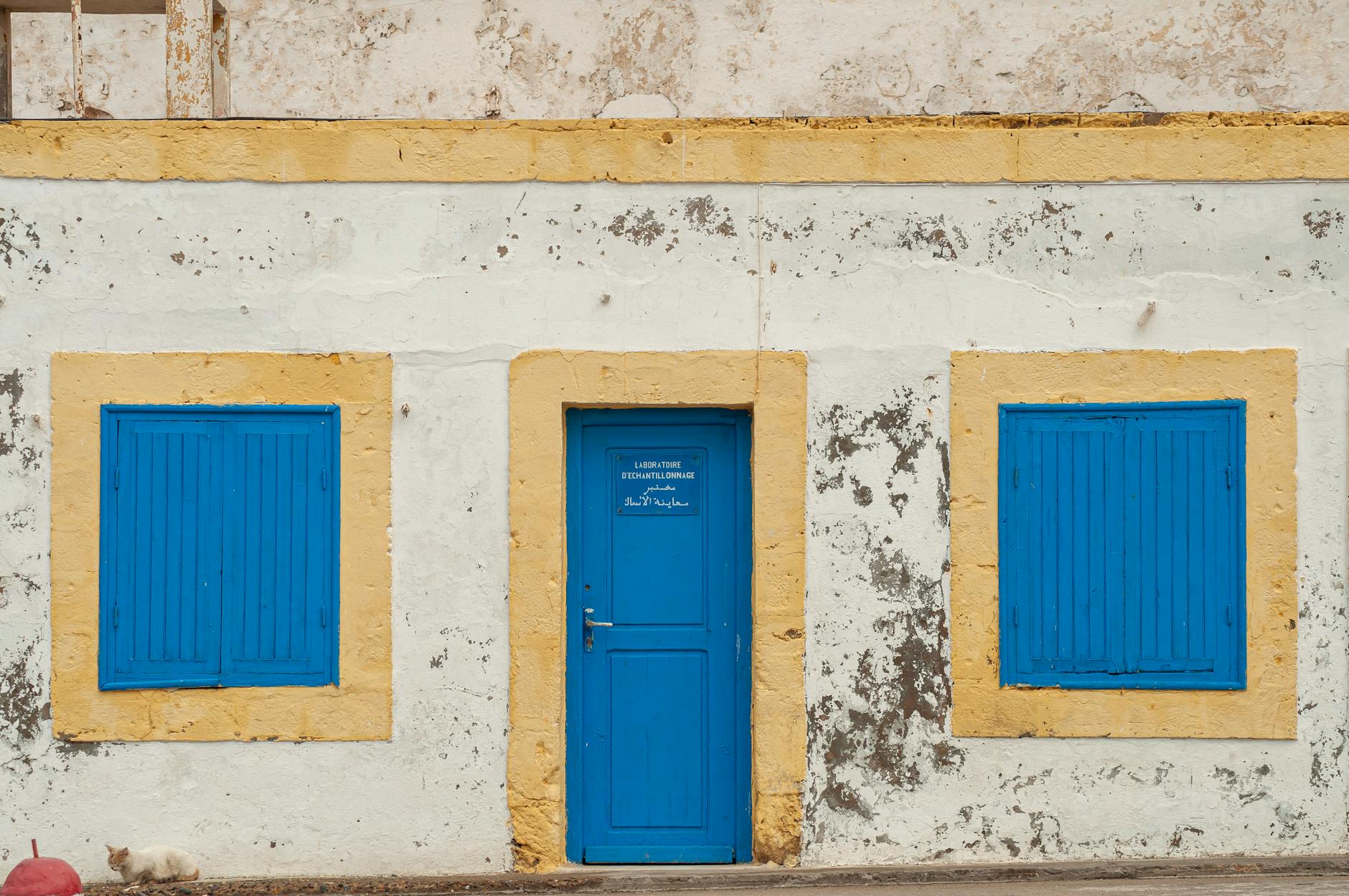
Short answer: yes, Essaouira is safe. It’s consistently ranked as one of the safest cities in Morocco for tourists, and many travelers — including solo women, families, and older visitors — describe it as the most relaxed and hassle-free place they visited in the country. But « safe » doesn’t mean « nothing to think about. » This guide covers everything you need to know about staying safe in Essaouira in 2026: common scams, solo female travel, night safety, health concerns, and what to do in an emergency.
Planning your trip? Check out our Essaouira daily budget guide and how to get to Essaouira for practical travel planning.
Overall Safety: Why Essaouira Feels Different
If you’ve heard horror stories about being hassled in Marrakech or feeling unsafe in Casablanca, take a breath. Essaouira is a genuinely different experience. Here’s why:
- Small and walkable: The medina is compact — about 800m by 400m. There are no confusing labyrinthine alleys like in Fes. You can walk from one end to the other in 15 minutes.
- Laid-back culture: Essaouira has long attracted artists, musicians, and surfers. The local culture is noticeably more relaxed and open than other Moroccan cities.
- Tourism-friendly locals: Tourism is a major part of the economy here, and locals are genuinely welcoming because they understand that happy tourists come back and tell their friends.
- Low crime rate: Violent crime against tourists is extremely rare. Petty theft exists but is less common than in larger Moroccan cities.
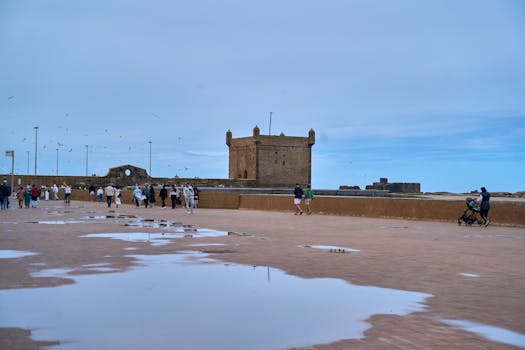
- Visible police presence: Tourist police patrol the medina, and there’s a police station near Place Moulay Hassan.
That said, Essaouira is still a city in a developing country, and common-sense precautions apply. Let’s get specific.
Common Scams & Hassles (And How to Handle Them)
Essaouira has far fewer scams than Marrakech, but you should still be aware of the most common ones:
The « Friendly » Guide
What happens: Someone approaches you near a gate or major intersection and offers to « show you around » or « help you find your riad. » They walk with you, point out a few things, and then demand payment — sometimes aggressively.
How to handle it: Politely but firmly say « no thank you » (la shukran) and keep walking. If someone is persistent, a clear « I don’t need help » usually works. If you do need directions, ask a shopkeeper rather than someone on the street. For a structured self-guided route, use our medina walking tour.
The Overpriced Fish Market
What happens: At the fish market, vendors quote tourist prices that are 2-3x the local rate, or add expensive items (lobster, langoustine) to your plate without asking and charge for them.
How to handle it: Know the fair prices before you go (our fish market guide has them all), agree on a price before anything is cooked, and watch what goes on your grill plate.
The Argan Oil Upsell
What happens: You’re invited into a « cooperative » for a « free demonstration » of argan oil production. The demo is real, but it ends with heavy pressure to buy argan oil at inflated prices — sometimes 5-10x what you’d pay at a pharmacy.
How to handle it: If you want argan oil, buy it at a local pharmacy or the supermarket outside the medina. A 100ml bottle of culinary argan oil should cost 50-80 MAD (€4.55-€7.30), not the 200-400 MAD that tourist shops charge.
The « Closed » Attraction
What happens: Someone tells you that a mosque, museum, or attraction is « closed today » and offers to take you somewhere else instead — usually a shop where they earn a commission.
How to handle it: Ignore the claim and go check yourself. Attractions in Essaouira have regular hours, and this is almost always a lie to redirect you.
Petty Theft & Pickpocketing
What happens: Rare but possible in crowded areas, especially the port and during the Gnaoua Festival.
How to handle it: Keep your phone in a front pocket or inside your bag. Don’t flash expensive jewelry or electronics. Use a money belt for your passport and large cash. Most accommodations have in-room safes or a lockbox at reception — use them.
Solo Female Travel in Essaouira
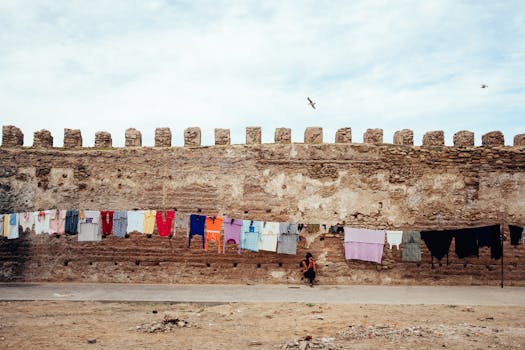
Essaouira is widely considered one of the best cities in Morocco for solo female travelers. Here’s a realistic picture of what to expect:
The Good
- Minimal harassment: Catcalling and following are much less common here than in Marrakech or Casablanca. Most interactions are genuinely friendly.
- Safe accommodation: Riads and hostels feel secure, with locked front doors and small, community-like guest groups. Several hostels offer female-only dorms.
- Easy to meet people: The backpacker and surf scene means there are always other solo travelers around, especially at hostels and cafes.
- Walkable at night: The main streets (Place Moulay Hassan, Avenue de l’Istiqlal) are well-lit and populated until 10-11pm.
The Realistic
- You will get attention: Men will look, some will try to start conversations, and you’ll occasionally get comments. Most of this is harmless and stops immediately if you don’t engage. It’s more annoying than threatening.
- Dress helps: Morocco is a Muslim country, and dressing modestly (shoulders covered, knees covered, no low-cut tops) significantly reduces unwanted attention. This isn’t about judging — it’s about practical comfort.
- Dark alleys at night: Avoid the quieter medina backstreets after 10pm when walking alone. Stick to main streets and you’ll be fine.
- The « boyfriend » question: Some male vendors will ask if you have a boyfriend or husband. A casual « yes » (even if untrue) is an effective conversation-ender.
Practical Tips for Solo Women
- Wear a wedding ring (real or fake) — it reduces approaches
- Carry your phone charged and with data — useful for navigation and emergencies
- Join a surf lesson or cooking class to meet other travelers — book a surf lesson on GetYourGuide
- Share your itinerary with someone back home
- Trust your instincts — if a situation feels off, leave
Night Safety
Essaouira is safe at night by Moroccan standards, but the city does quiet down significantly after dark. Here’s the picture:
- Until 10pm: The main streets, Place Moulay Hassan, and the restaurant areas are busy and well-lit. Walking around feels completely safe.
- 10pm-midnight: The medina gets quieter. Main streets are still fine, but side streets empty out. Stick to lit, populated routes.
- After midnight: Most of the medina is dead quiet. There are a couple of late-night cafes but very little street life. Avoid walking alone through dark alleys — take a direct route to your accommodation.
- The beach at night: Not recommended for walking alone after dark. The beach is unlit and isolated once the sun goes down.
Alcohol is available in some bars and restaurants (Morocco is moderate compared to many Muslim countries), but public drunkenness is frowned upon and can attract unwanted attention. Keep it moderate, especially if walking home through the medina afterward.
Health & Medical Safety
Water
Tap water in Essaouira is treated but not recommended for drinking. Stick to bottled water (5-8 MAD / €0.45-€0.70 for 1.5L). Use bottled or filtered water for brushing teeth if you have a sensitive stomach. Ice in restaurants is usually made from purified water, but if in doubt, skip it.
Food Safety
Essaouira’s street food is generally safe — the coastal climate is cooler than inland Morocco, and the high turnover at popular stalls means food is fresh. Standard precautions: eat where locals eat, choose food cooked fresh, go easy on raw salads your first day, and carry hand sanitizer.
Pharmacies
Essaouira has several well-stocked pharmacies inside and just outside the medina. Pharmacists in Morocco can dispense many medications without a prescription and often speak French and some English. For common traveler ailments (stomach issues, headaches, minor infections), a pharmacy visit is your first stop — no doctor appointment needed.
Sun & Wind
The ocean breeze tricks you into thinking you’re not getting sunburned — you are. Wear sunscreen even on cloudy or windy days. Dehydration can also sneak up on you when it’s windy. Drink more water than you think you need.
Allergies & Dietary Concerns
Nut allergies need extra caution in Morocco — argan oil and amlou (argan-almond paste) are in many dishes. Gluten is difficult to avoid as bread accompanies every meal. Communicate dietary needs clearly; the French word for allergy (allergie) is understood everywhere.
Emergency Contacts & Resources
| Service | Number | Notes |
|---|---|---|
| Police | 19 | General police; tourist police are at the medina station near Place Moulay Hassan |
| Ambulance / Medical Emergency | 15 | SAMU (emergency medical service) |
| Fire Department | 15 | Same as ambulance |
| Tourist Police (Essaouira) | +212 524 784 810 | English/French-speaking officers available |
| Essaouira Hospital | +212 524 475 716 | Hôpital Sidi Mohammed Ben Abdallah, outside the medina |
| Pharmacy on duty | Check posted signs | Rotating night pharmacy listed on all pharmacy doors |
Important: Save these numbers in your phone before you arrive. Also save your country’s embassy number in Rabat (Morocco’s capital). Most embassies can assist with lost passports, serious medical issues, and legal problems.
Neighbourhood Safety Guide
Not all parts of Essaouira feel the same after dark. Here’s a quick rundown:
- Place Moulay Hassan & surroundings: The safest area, well-lit and populated until late. Fine for solo travelers at all hours.
- Avenue de l’Istiqlal (main commercial street): Safe during the day and evening. Shops close by 9-10pm, after which it’s quieter but still fine.
- The Mellah (Jewish quarter): Safe during the day. Quieter and darker at night — fine to walk through but don’t linger alone in alleys after 10pm.
- Near the port: Safe during the day (busy with fish market activity). The port itself closes at night and the surrounding area is deserted — avoid after dark.
- The beach: Safe during daylight hours. Not recommended after dark — unlit and isolated.
- New town (outside medina walls): Modern, safe, well-lit streets. Less character but a good option for nervous first-timers. See our where to stay guide for neighbourhood details.
Safety Tips for Specific Situations
Arriving in Essaouira
- If arriving by bus at Bab Marrakech, ignore anyone who offers to « help » you find your riad — have the address saved on your phone
- Grand taxis from Marrakech should cost 80-100 MAD per person (shared) — agree on the price before getting in
- See our transport guide for detailed arrival information
Shopping in the Souks
- Haggling is expected and not aggressive in Essaouira — start at about 50% of the asking price and meet somewhere in the middle
- Never feel pressured to buy — « just looking » is perfectly fine
- If a shopkeeper invites you for tea, it’s a sales tactic but also genuinely hospitable. You can accept and still not buy anything
Money Safety
- ATMs are available at several locations in the medina and near Place Moulay Hassan. Use ATMs attached to banks, not standalone machines
- Carry small bills (10 and 20 MAD) for street food and small purchases. Don’t flash large amounts of cash
- Most sit-down restaurants accept cards, but street food, markets, and budget riads are cash-only
- Use a hidden money belt for your passport, spare cards, and large bills
Photography
- Essaouira is photogenic and most people don’t mind being in background shots
- Always ask before photographing someone directly, especially women and older people
- Some performers and henna artists will demand payment if you photograph them — either ask permission first or don’t take the photo
- Photography inside the port and fish market is fine
🌅 Book a Sunset Experience on Viator:
- Sunset Tour: Sidi M’Barek Waterfall & Coast Dinner — from $48, rated 4.9★
- 3-Hour Sunset Camel Ride — from $53, rated 5.0★ (343 reviews)
- Horse Ride on the Beach — from $41, rated 5.0★ (150 reviews)
Is Essaouira safer than Marrakech?
Most travelers say yes. Essaouira is smaller, calmer, and has a more relaxed attitude toward tourists. The hassle factor — aggressive vendors, fake guides, persistent touts — is significantly lower here than in Marrakech. That doesn’t mean Marrakech is dangerous (it’s not), but Essaouira is noticeably more chill.
Is it safe to walk around Essaouira at night?
On main streets (Place Moulay Hassan, the restaurant areas, Avenue de l’Istiqlal), yes — until about 10-11pm. After that, the medina gets very quiet and dark alleys should be avoided. The beach is not recommended after dark. Solo women should stick to well-lit, populated streets after sunset. Overall, Essaouira at night is safer than most European cities of similar size.
Should I be worried about terrorism in Morocco?
Morocco has a strong security apparatus, and Essaouira specifically has had no terrorist incidents. The country has been stable and proactive about security for years. The risk level is comparable to most Western European countries. As always, check your government’s travel advisory before departure for the most current assessment.
Is it safe to eat street food?
Yes, with basic precautions. Eat at busy stalls where food is cooked fresh, avoid items that have been sitting out in the sun, and stick to bottled water. Essaouira’s cooler coastal climate is an advantage here. See our street food guide for detailed safety tips and recommendations.
Do I need travel insurance for Essaouira?
Yes — we strongly recommend it. Medical care in Morocco is affordable but quality varies, and if you need evacuation or specialist treatment, costs can escalate quickly. Good travel insurance covers medical emergencies, trip cancellation, lost luggage, and theft. Make sure your policy covers Morocco specifically and any adventure activities (surfing, camel riding) you plan to do.
Feeling confident about safety? Start planning your trip with our 3-Day Essaouira Itinerary, or find the perfect place to stay in our budget riads guide and hostel guide.