
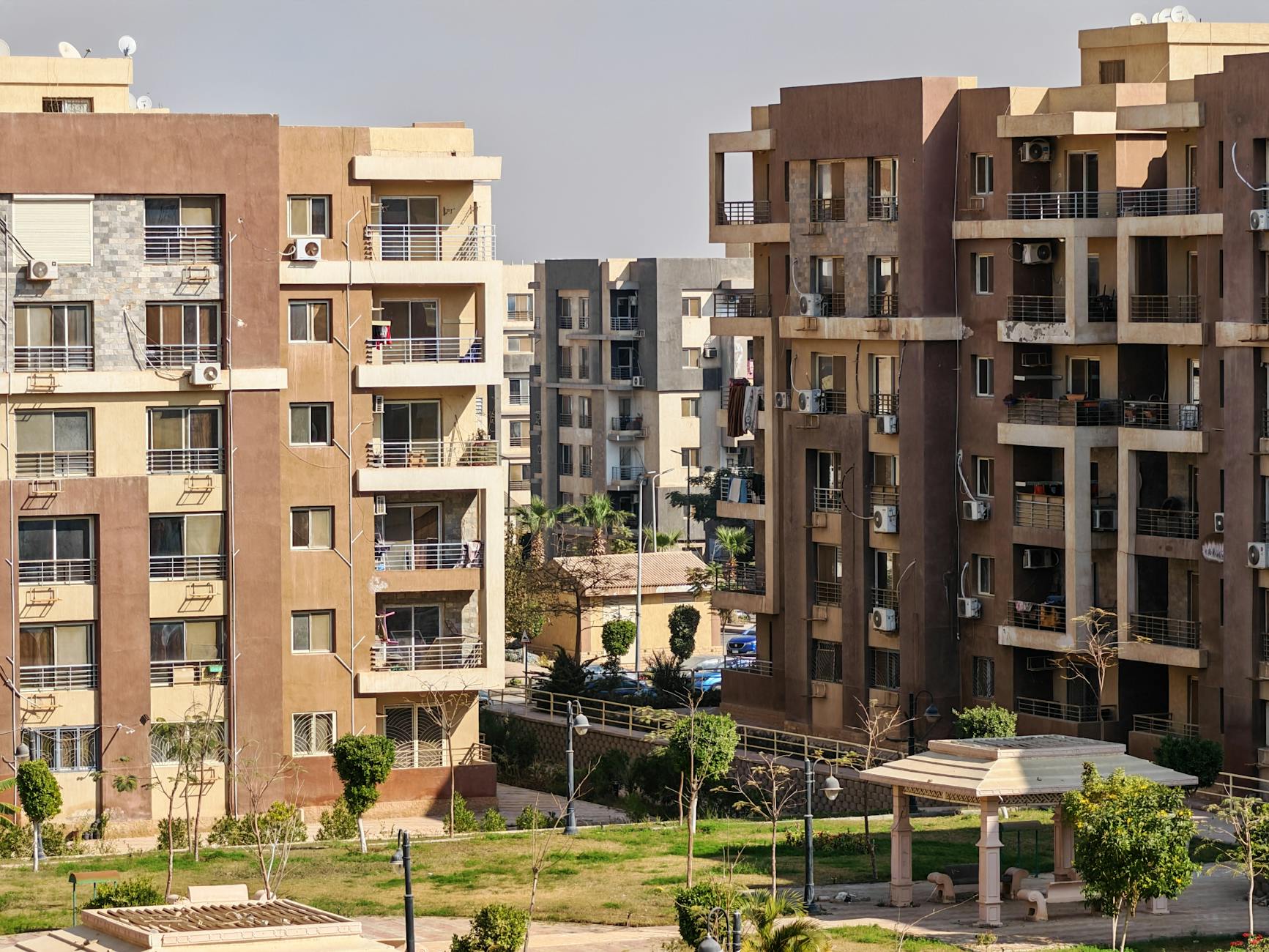
So you’ve visited Essaouira for a few days, fallen completely in love, and now you’re googling « can I just… stay? » You’re not alone. This laid-back Atlantic coast town has become a magnet for digital nomads, remote workers, artists, and slow travellers looking for an affordable base with character. An essaouira long term rental can cost as little as €250–€400 per month for a furnished apartment — a fraction of what you’d pay in most European cities — and the quality of life here is genuinely hard to beat. This guide covers everything you need to know about finding, renting, and settling into a long-term stay in Essaouira.
If you’re still in the planning stages, our Where to Stay in Essaouira guide covers the different neighbourhoods, and the Daily Budget Breakdown will help you estimate your monthly costs.
Monthly Rental Prices in Essaouira (2026)
Rental prices vary significantly depending on whether you’re inside the medina, in the Ville Nouvelle (new town), or in nearby villages like Diabat. Here’s what you can realistically expect to pay for a furnished monthly rental:
| Rental Type | Monthly Price (MAD) | Monthly Price (EUR) |
|---|---|---|
| Room in a shared apartment | 1,500–3,000 MAD | €135–€270 |
| Studio apartment (medina) | 3,000–5,000 MAD | €270–€450 |
| 1-bedroom apartment (Ville Nouvelle) | 2,500–4,500 MAD | €225–€410 |
| Small riad or house (medina) | 5,000–9,000 MAD | €450–€820 |
| Apartment near the beach | 3,500–6,000 MAD | €320–€545 |
| Room in Diabat village | 1,200–2,500 MAD | €110–€225 |
Important note: These are monthly rental prices, not nightly Airbnb rates. If you book through Airbnb or Booking.com for a full month, expect to pay 30–50% more than negotiating directly with a local landlord. The best deals come through word of mouth, local Facebook groups, and simply walking around and asking.
How to Find a Long-Term Rental in Essaouira
The rental market here works differently from what you might be used to. Here’s the practical approach that actually works:
Start with a Short Stay, Then Search Locally
The single best strategy is to book a budget hostel or cheap Airbnb for your first week, then spend that time looking for a monthly rental in person. Walking around the medina and Ville Nouvelle, you’ll spot « à louer » (for rent) signs on doors and windows. Shopkeepers and cafe owners often know who has apartments available — just ask. This approach consistently gets you better prices and lets you see the place before committing.
Online Resources
- Facebook groups: Search for « Essaouira Expats, » « Digital Nomads Essaouira, » and « Essaouira Location Appartement » — these groups regularly post rentals and subletting opportunities.
- Airbnb monthly stays: Filter for 28+ night stays to unlock monthly discounts. Many hosts offer significant reductions for longer bookings. Browse monthly stays in Essaouira →
- Avito.ma: Morocco’s main classifieds site. Search « Essaouira » under the apartments category. Listings are in French or Arabic, but Google Translate handles them fine.
- Local real estate agents: A few agencies in the Ville Nouvelle handle long-term rentals. They typically charge one month’s rent as a commission, but they can speed up the process significantly if you don’t speak French or Arabic.
Negotiating the Price
Negotiation is expected and normal in Morocco. For a monthly rental, you can usually negotiate 10–20% off the initial asking price, especially during low season (November–March) or if you commit to 3+ months. Always negotiate in person rather than by message. Some tips:
- Ask what’s included — utilities (water, electricity, internet) can add €30–€60/month if not bundled.
- Longer commitments get better rates. Offering 3 months upfront often unlocks discounts.
- Politely compare with other options you’ve seen. Landlords know the market and will match reasonable offers.
- Don’t lowball aggressively — it’s a small town and word gets around.
Best Neighbourhoods for Long-Term Stays
The Medina
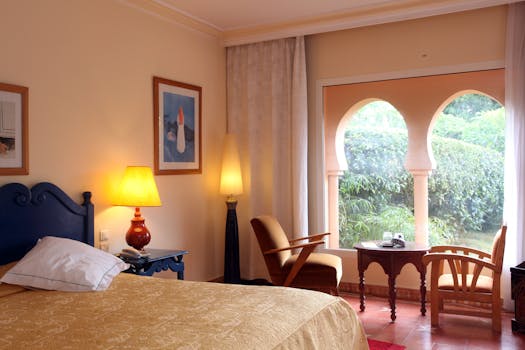
Living inside the medina means being surrounded by the whitewashed walls, narrow alleys, and the general charm that drew you here in the first place. You’ll be walking distance from everything — restaurants, the fish market, the beach, and cafes. The downsides: medina apartments can be noisy (especially near the main squares), natural light is limited in some ground-floor units, and carrying groceries through narrow alleys gets old fast. But for atmosphere, nothing beats it.
Budget: €270–€450/month for a studio or small apartment.
Ville Nouvelle (New Town)
The area outside the medina walls is more spacious, quieter, and generally cheaper. Apartments tend to be more modern with bigger kitchens, better plumbing, and — crucially for remote workers — more reliable Wi-Fi. You’ll find supermarkets, pharmacies, and local restaurants nearby. It’s a 10–15 minute walk to the medina and beach. This is where most long-term residents end up, and for good reason.
Budget: €225–€410/month for a one-bedroom apartment.
Beach Road Area
The stretch between the medina and the beach attracts surfers and beach lovers. You’ll find some newer apartment buildings here with sea breezes and easy beach access. It’s a nice middle ground between medina atmosphere and new-town practicality, though options are more limited.
Budget: €320–€545/month for a one-bedroom.
Diabat Village
About 3km south of Essaouira, this small village attracts the most budget-conscious long-stayers and those seeking a quieter, more rural vibe. You can rent a basic room for as little as €110/month, and the beach is right there. The trade-off is that you’re a 30-minute walk or short taxi ride from town, and amenities are minimal.
Budget: €110–€225/month for a room or small apartment.
What to Know About Renting as a Foreigner
Rental Contracts
For stays of a month or more, it’s wise to get a simple written contract — even a handwritten one. This protects both you and the landlord. The contract should state the monthly rent, what’s included, the duration, and the deposit amount (typically one month’s rent). Some landlords prefer informal arrangements, which is common for shorter stays (1–2 months), but for anything longer, insist on something in writing.
Deposits and Payment
Expect to pay the first month’s rent plus a one-month deposit upfront. Deposits are usually returned at the end of your stay, minus any damages. Payment is almost always in cash (MAD). Some landlords accept bank transfers, but don’t count on it. Wise (formerly TransferWise) is the most cost-effective way to get MAD from a foreign currency.
Utilities and Internet
If utilities aren’t included, budget for:
- Electricity: 200–400 MAD/month (€18–€36) — varies hugely depending on heating and AC use.
- Water: 50–100 MAD/month (€4.50–€9)
- Internet (fibre): 200–300 MAD/month (€18–€27) for a dedicated line. Maroc Telecom and Orange are the main providers. Speeds are decent — 20–50 Mbps in most areas.
- Phone SIM: A local prepaid SIM with data costs around 50–100 MAD/month (€4.50–€9).
Digital Nomad Life in Essaouira
Essaouira has quietly become one of the best digital nomad bases in Morocco. The cost of living is low, the lifestyle is relaxed, and the growing cafe scene means you’re never far from a workspace with decent Wi-Fi. Here’s what makes it work:
Coworking and Work Spots
A couple of dedicated coworking spaces have popped up in recent years, with day passes around €5–€8 (55–88 MAD) and monthly passes around €50–€80 (550–880 MAD). Beyond that, many cafes welcome laptop workers — check our Best Cafes in Essaouira guide for the most work-friendly spots with reliable Wi-Fi. The medina also has a few riad-style spaces that rent desks by the week.
Internet Reliability
Wi-Fi in cafes ranges from usable (5–10 Mbps) to surprisingly good (20+ Mbps in newer spots). For reliable home internet, getting your own fibre line installed is straightforward — Maroc Telecom can set it up within a few days. Many digital nomads also carry a Inwi or Orange 4G dongle as backup, which costs around 150 MAD/month (€14) for 20GB.
Community
The digital nomad community in Essaouira is smaller and more tight-knit than in places like Marrakech or Lisbon. You’ll find regular meet-ups, surf sessions, and dinner groups organized through Facebook and WhatsApp. It’s the kind of place where you bump into the same people at the same cafe and quickly build a routine.
Visa Information for Long Stays
Morocco grants most nationalities a 90-day visa-free stay. This is usually enough for a medium-length stay, but if you want to stay longer, here are your options:
- Visa extension: You can apply at the local police station (Sureté Nationale) for a 90-day extension. Success rates vary, and the process can be bureaucratic. Bring your passport, rental contract, bank statements, and passport photos.
- Border run: Some long-stayers exit to Spain (a short ferry from Tangier) or Mauritania and re-enter for a fresh 90-day stamp. This works but isn’t guaranteed indefinitely — border officials may question frequent re-entries.
- Long-stay visa: If you plan to stay 6+ months, consider applying for a long-stay visa at a Moroccan embassy before arrival. Requirements include proof of income, accommodation, and a clean criminal record.
Important: Visa rules can change. Always check the latest requirements with the nearest Moroccan embassy or consulate before making plans.
Monthly Budget Breakdown for Long-Term Stays
| Expense | Monthly Cost (MAD) | Monthly Cost (EUR) |
|---|---|---|
| Rent (studio, medina) | 3,500 MAD | €320 |
| Utilities (electricity, water, internet) | 500 MAD | €45 |
| Groceries | 1,500 MAD | €135 |
| Eating out (occasional) | 1,000 MAD | €90 |
| Transport (local) | 200 MAD | €18 |
| Phone SIM + data | 80 MAD | €7 |
| Entertainment + activities | 500 MAD | €45 |
| Total | 7,280 MAD | €660 |
You can live comfortably in Essaouira for €600–€800 per month, or stretch it to €450–€500 if you cook at home, share an apartment, and keep entertainment minimal. For a more detailed look at daily costs, see our Essaouira Daily Budget guide.
Frequently Asked Questions
Is Essaouira good for digital nomads?
Yes, and increasingly so. The combination of low living costs (€600–€800/month all-in), pleasant climate, growing cafe culture with Wi-Fi, and a welcoming community makes it one of the best digital nomad bases in Morocco. It’s quieter and less hectic than Marrakech, which many remote workers prefer. The main limitation is internet speed — fine for most work, but heavy video editors or streamers might find it frustrating during peak hours.
Can I find a furnished apartment in Essaouira without speaking French or Arabic?
Yes, though it helps to know some basic French phrases. Many landlords in the tourist areas speak enough French and some English to handle basic transactions. In the Ville Nouvelle, you may need a translator for negotiations — a bilingual friend, a hostel staff member, or even Google Translate on your phone works in a pinch. Expat Facebook groups are also full of English-speaking members who can point you to available rentals.
What’s the best season for a long-term stay in Essaouira?
Spring (March–May) and autumn (September–November) are ideal — warm but not too hot, less windy than summer, and fewer tourists than peak season. Winter (December–February) is mild (15–18°C) and very affordable, but some days are grey and windy. Summer (June–August) brings strong trade winds that are great for kitesurfing but can make everyday life breezy. Rental prices drop noticeably in winter, so that’s the cheapest time to settle in. For seasonal details, check our Best Time to Visit Essaouira guide.
Is it safe to rent an apartment long-term in Essaouira?
Essaouira is one of the safest cities in Morocco. Petty theft exists (as in any tourist town), but violent crime is extremely rare. Most long-term renters report feeling very safe walking around at all hours. Common-sense precautions apply — lock your doors, don’t leave valuables visible, and get a simple written rental agreement. For a deeper look, read our Is Essaouira Safe? guide.
Do I need to register with local authorities for a long-term stay?
Technically, yes. Moroccan law requires foreigners staying in private accommodation to register with the local police within 48 hours of arrival. In practice, hotels and hostels handle this automatically, but for private rentals, your landlord may ask for a copy of your passport to file a « fiche de police. » It’s a simple formality, but it’s worth doing — especially if you plan to apply for a visa extension later.