
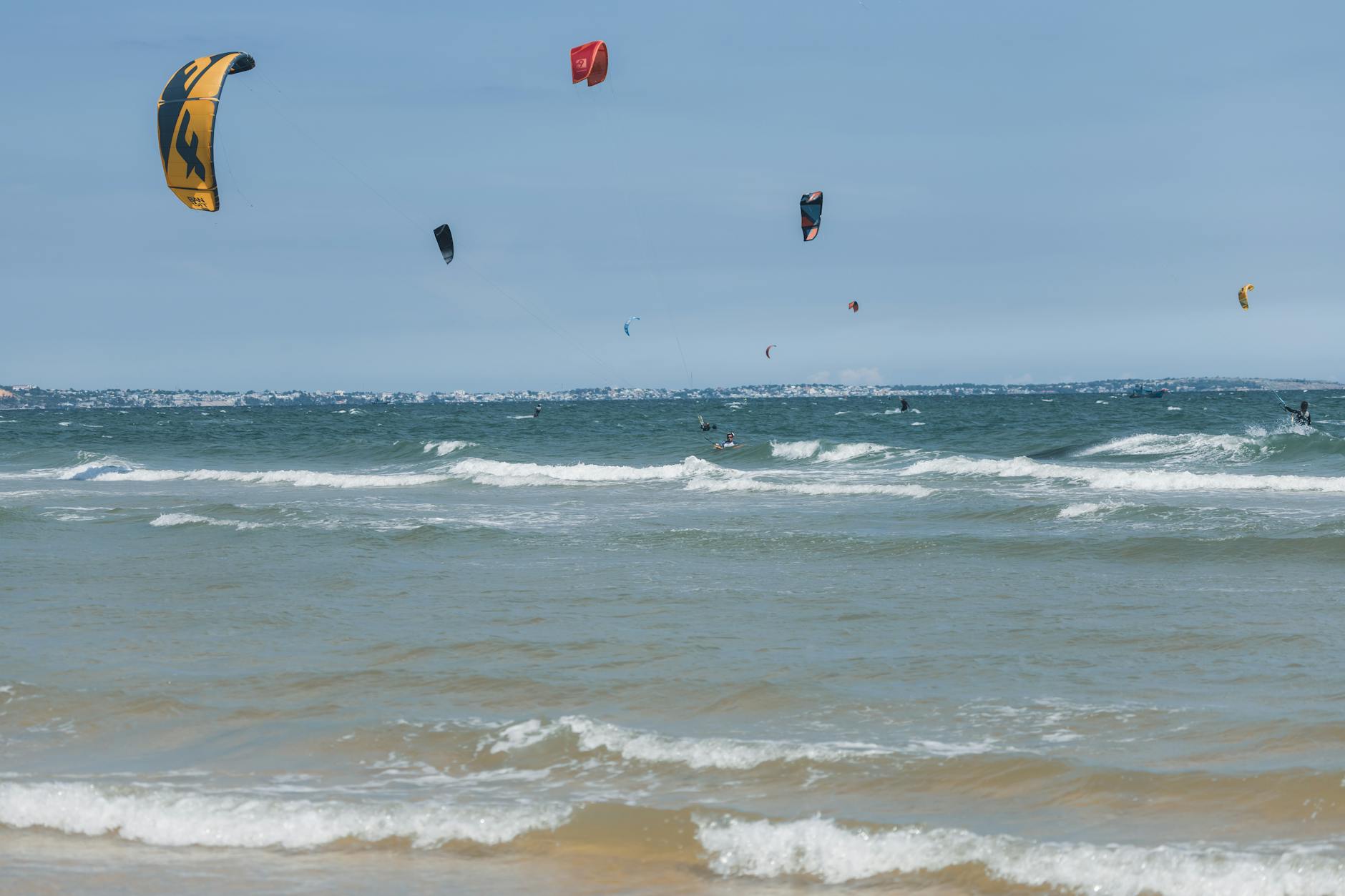
Essaouira is nicknamed the « Wind City of Africa » for a reason, and if you’ve ever wanted to try kitesurfing in Essaouira, there’s no better place to learn on a budget. The trade winds here blow reliably from April through September, the beach is wide and sandy, and lesson prices are a fraction of what you’d pay in Tarifa, Zanzibar, or Brazil. Whether you’re a complete beginner who’s never touched a kite or an experienced rider chasing consistent wind, Essaouira delivers. I’ve spent multiple seasons here watching friends go from zero to riding in a week, and this guide covers everything you need to know: where to kite, which schools are worth your money, what it actually costs, and how to plan your trip around the wind.
If you’re working out your trip budget, check our Essaouira daily budget breakdown to see how kite lessons fit into the bigger picture.
Why Essaouira Is One of the Best Kitesurfing Destinations in Africa
Before diving into the practical details, here’s why Essaouira consistently ranks among the top kitesurfing spots on the continent:
- Reliable wind. The alizee trade winds blow 15-25 knots most days from April through September, with the strongest and most consistent conditions in June, July, and August. That means you’re almost guaranteed to fly a kite during your trip.
- Massive sandy beach. Essaouira’s main beach stretches for several kilometers south of the medina, giving kiters plenty of space. The sandy bottom means no reef cuts or sharp rocks to worry about during crashes.
- Affordable lessons. Group kitesurfing lessons start from around €45 / 495 MAD per hour — roughly half the price of European kite schools. Multi-day packages bring the cost down even further.
- Perfect learning conditions. The flat water zone near the river mouth, combined with consistent side-onshore wind, creates textbook conditions for beginners. More advanced riders can head to spots with choppier water and waves.
- The lifestyle. After a session, you’re ten minutes from fresh grilled fish at the port, mint tea in the medina, or sunset drinks on a rooftop. Essaouira’s laid-back vibe pairs perfectly with kite culture.
Best Time for Kitesurfing in Essaouira
Timing your trip correctly is the single most important factor for a successful kite trip. Here’s the season breakdown:
| Season | Months | Wind Conditions | Best For |
|---|---|---|---|
| Peak wind season | June–August | Strong, consistent 18–25 knots daily; side-onshore | All kiters — the prime months |
| Shoulder season | April–May, September–October | Moderate 12–20 knots; less consistent but still good | Beginners (lighter winds are easier to learn in) |
| Off-season | November–March | Variable, 8–15 knots with gaps; occasional storms | Not recommended for kitesurfing trips |
The sweet spot for beginners is April to June. The wind is strong enough to fly a kite but not so overpowering that you can’t control it. Peak summer (July-August) sees the strongest winds, which experienced riders love but can be overwhelming for first-timers. If you’re already comfortable on a board, July and August are paradise.
Wind Pattern Throughout the Day
A typical summer day in Essaouira follows a predictable wind pattern. Mornings are relatively calm (8-12 knots until about 11 AM), then the thermal wind kicks in and builds through the afternoon, peaking between 2 PM and 6 PM at 18-25 knots. This means your morning is free for exploring the medina or relaxing, and your kite session naturally falls in the afternoon. Most schools schedule lessons accordingly.
Best Kitesurfing Spots in and Around Essaouira
Essaouira Main Beach (The Kite Zone)
The primary kite spot is the wide stretch of beach south of the medina, roughly from the river mouth extending a couple of kilometers southward. This is where all the kite schools operate and where you’ll see the most action. The beach is divided into zones — swimmers and walkers stay closer to the medina walls, while kiters use the wider section further south. The sandy bottom and side-onshore wind direction make this spot safe and forgiving for learners.
Best for: All levels, especially beginners
Wind direction: Side-onshore (north-northwest)
Water conditions: Flat to small chop near shore, small waves further out
Facilities: Kite schools, gear storage, cafes nearby
Moulay Bouzerktoun
Located about 25 km north of Essaouira, Moulay Bouzerktoun is the go-to spot for more experienced kiters who want waves. The point break here creates clean swells that you can ride with a kite, and the wind is often even stronger than in town. This isn’t a beginner spot — the rocks and waves demand experience — but for intermediate and advanced riders, it’s world-class.
Best for: Intermediate to advanced kiters, wave riding
How to get there: Grand taxi (30-40 MAD / €2.70-€3.60 per seat) or rental car. Some kite schools organize group trips.
Sidi Kaouki
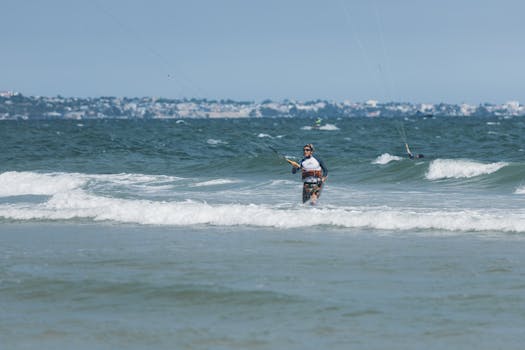
This quiet beach village 25 km south of Essaouira has become a kite destination in its own right. The beach is more exposed than Essaouira’s main spot, meaning more waves and slightly different wind angles. A few kite camps operate here, and the mellow village vibe appeals to riders who want to escape the busier main beach. For the full lowdown on getting there and what else to do, read our day trip to Sidi Kaouki guide.
Best for: Intermediate kiters, those wanting a quieter setting
How to get there: Grand taxi (20-30 MAD / €1.80-€2.70 per seat, 25 minutes)
Cap Sim
About 15 km south of Essaouira, Cap Sim is a more remote spot favored by experienced kiters who know the area. The wind can be gusty and the beach access isn’t as straightforward, but on the right day, you’ll have a long stretch of Atlantic coastline practically to yourself. Not recommended unless you’re with someone who knows the spot.
Best for: Advanced kiters with local knowledge
Kitesurfing Schools in Essaouira: Comparison Guide
There are several established kite schools operating in Essaouira, most of them based on or near the main beach. Here’s what you need to know about the main options in 2026.
What a Typical Beginner Course Includes
Most kite schools offer a structured beginner program that spans 3 to 5 days. A standard course typically includes:
- Safety briefing and wind theory on the beach
- Kite handling and control on land with a trainer kite
- Body dragging in the water (being pulled by the kite without a board)
- Water start and first rides on the board
- All equipment included (kite, bar, harness, wetsuit, helmet)
- Groups of 2-4 students per instructor (IKO standard)
- Insurance and safety boat support at reputable schools
Most people need 9-12 hours of instruction (spread over 3-5 days) before they can ride independently. Some pick it up faster, some take longer — it depends on your coordination and the wind conditions during your lessons.
Kitesurfing School Price Comparison
| School | Location | Group Lesson (per hour) | Private Lesson (per hour) | Beginner Package |
|---|---|---|---|---|
| ION Club Essaouira | Main beach | 550 MAD (€50) | 880 MAD (€80) | 10h package: 4,400 MAD (€400) |
| Explora Watersports | Main beach | 500 MAD (€45) | 800 MAD (€73) | 9h package: 3,960 MAD (€360) |
| Ocean Vagabond | Main beach | 550 MAD (€50) | 880 MAD (€80) | 10h package: 4,620 MAD (€420) |
| Local independent instructors | Main beach | 440-550 MAD (€40-€50) | 660-770 MAD (€60-€70) | Varies, negotiate directly |
| Kite camps (Sidi Kaouki) | Sidi Kaouki | 500-600 MAD (€45-€55) | 770-880 MAD (€70-€80) | Week (lessons + accommodation): 5,500-8,800 MAD (€500-€800) |
Budget tip: Multi-day packages always offer better value per hour. A 10-hour beginner package typically saves you 15-20% compared to paying per session. Book directly with the school rather than through a booking platform to get the best price. explore Essaouira activities on GetYourGuide
How to Choose a Kite School
- IKO certification is non-negotiable. The International Kiteboarding Organization (IKO) sets the global standard for kite instruction. All reputable schools in Essaouira are IKO-certified. If a school can’t show you their certification, walk away.
- Check the student-to-instructor ratio. IKO standards allow a maximum of 4 students per instructor for group lessons. Smaller is better, especially for beginners. Two students per instructor is ideal.
- Equipment quality matters. Kites should be current-generation (no more than 2-3 years old) and in good condition. Harnesses should fit properly. Ask to see the gear before booking.
- Safety boat. The best schools have a safety boat or jet ski that can reach you quickly if something goes wrong. This isn’t optional — it’s essential.
- Insurance. Confirm that the school carries liability insurance and that lessons include accident coverage. Most established schools do; some freelance instructors don’t.
- Read current reviews. Staff rotates frequently. Check reviews from the current season on Google and TripAdvisor before booking.
Kitesurfing Gear Rental in Essaouira
If you’re already an experienced kiter and just need gear, here’s what rental costs look like:
| Rental Item | Per Hour (MAD) | Per Hour (EUR) | Full Day (MAD) | Full Day (EUR) |
|---|---|---|---|---|
| Complete kite setup (kite, bar, harness) | 330-440 | €30-€40 | 770-990 | €70-€90 |
| Kite + bar only | 275-330 | €25-€30 | 660-770 | €60-€70 |
| Board only | 110-165 | €10-€15 | 275-385 | €25-€35 |
| Wetsuit | 55-110 | €5-€10 | 110-165 | €10-€15 |
| Harness | 55-110 | €5-€10 | 110-165 | €10-€15 |
Budget tip: Renting for multiple days? Negotiate a weekly rate — most shops will give you 20-30% off. If you’re bringing your own kite, you’ll only need to rent a board, which brings costs down dramatically.
Kitesurfing vs. Surfing in Essaouira: Which Should You Try?
This is a question that comes up constantly. Here’s a quick comparison to help you decide:
| Kitesurfing | Surfing | |
|---|---|---|
| Learning time | 3-5 days to ride independently | 1-2 sessions to stand up on whitewater |
| Cost to learn | €300-€450 for a beginner course | €15-€20 per group lesson |
| Best season | June-August (strong wind) | September-May (less wind, better waves) |
| Physical demand | Moderate — the kite does the work once you learn control | High — lots of paddling |
| Adrenaline factor | High — speed, jumps, big air | Medium — depends on wave size |
If you’re on a tight budget and want a quick thrill, a single surf lesson gives you a taste of riding waves for much less money. If you have a week and a bigger budget, kitesurfing will give you a skill you can take anywhere in the world. For more on surfing specifically, check our complete surfing guide.
What to Bring and What to Wear
- Wetsuit: A 3/2mm wetsuit is standard from April to October. In peak summer, some kiters wear a shorty or just board shorts with a rash guard, but the Atlantic is cooler than it looks — a wetsuit is more comfortable for longer sessions.
- Sunscreen: Waterproof SPF 50. The combination of wind, water, and sun will fry you faster than you’d expect. Reapply constantly.
- Sunglasses with a strap: Essential for watching lessons from the beach and for post-session hangouts.
- Water shoes or reef booties: The beach is mostly sandy but some areas have shells and small rocks. Optional but nice to have.
- Helmet: Provided by kite schools for lessons. If you’re riding independently, bring your own or rent one.
- Windbreaker: For after sessions. Essaouira’s wind doesn’t stop when you leave the water.
Budget Kitesurfing Trip: Sample Costs
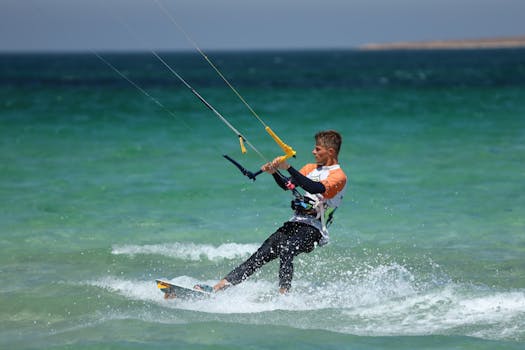
Here’s what a week-long kite trip to Essaouira might cost on a budget:
| Expense | Budget (7 days) | Mid-Range (7 days) |
|---|---|---|
| Accommodation | €56-€84 / 616-924 MAD | €140-€245 / 1,540-2,695 MAD |
| Kite lessons (10h beginner package) | €360-€400 / 3,960-4,400 MAD | €400-€500 / 4,400-5,500 MAD (private) |
| Food | €56-€84 / 616-924 MAD | €105-€154 / 1,155-1,694 MAD |
| Transport (local) | €7-€14 / 77-154 MAD | €14-€28 / 154-308 MAD |
| Total | €479-€582 / 5,269-6,402 MAD | €659-€927 / 7,249-10,197 MAD |
For accommodation, check our budget hostel guide — several hostels are located within walking distance of the kite beach [BOOKING_LINK]. For eating on a budget between sessions, our cheap eats guide has you covered.
Practical Tips for Kitesurfing in Essaouira
- Book your lessons in advance during July-August. Peak summer is the busiest period and popular schools fill up weeks ahead. April-June and September, you can often book a day or two before.
- Mornings are for exploring, afternoons are for kiting. The wind pattern means you naturally have your mornings free. Use them to explore the medina markets, visit the ramparts, or catch one of the best views in town before the wind picks up.
- Stay near the beach. Some riads in the deep medina are a 15-minute walk from the kite zone. If kitesurfing is your main goal, pick accommodation on the south side of the medina or near the beach road.
- Respect the zones. The beach is shared with swimmers, walkers, horse riders, and camel operators. Kite only in the designated areas to avoid accidents and conflicts.
- Bring kite repair tape. If you’re bringing your own gear, small tears happen. Kite repair tape weighs nothing and can save your session.
- Download a wind app. Windy or Windguru are essential for checking forecasts. The kite schools use them too — if the forecast looks weak, they’ll reschedule your lesson.
Not into kiting? Surfing in Essaouira on a Budget covers regular surfing options with lessons from just 200 MAD. And for a quieter beach alternative, check out Sidi Kaouki.
FAQ: Kitesurfing in Essaouira
Is Essaouira good for beginner kitesurfers?
Yes, Essaouira is excellent for beginners. The wide sandy beach, consistent side-onshore wind, and flat water zones near the river mouth create ideal learning conditions. Multiple IKO-certified schools offer structured beginner courses, and the overall cost is much lower than European kite destinations.
How much does it cost to learn kitesurfing in Essaouira?
A full beginner package (9-12 hours over 3-5 days) costs €300-€450 / 3,300-4,950 MAD at most schools, with all equipment included. Individual group lessons start from around €45 / 495 MAD per hour. Private lessons run €60-€80 / 660-880 MAD per hour.
What months are best for kitesurfing in Essaouira?
June through August offer the strongest and most consistent wind (18-25 knots daily). April-May and September are excellent for beginners with lighter but still reliable wind. November through March is off-season with unreliable conditions.
Can I bring my own kite gear to Essaouira?
Absolutely. Most airlines allow kite gear as sports equipment (check your airline’s policy and excess baggage fees). Bring kites in the 9-12m range for summer conditions. You’ll find pump stations and gear storage at the main kite schools for a small daily fee (20-50 MAD / €1.80-€4.50).
Do I need a wetsuit for kitesurfing in Essaouira?
A wetsuit is recommended even in summer. The Atlantic current keeps water temperatures at 19-22°C in peak season, which feels cold after an hour in the water. A 3/2mm wetsuit is standard. In July-August, some experienced kiters go with board shorts and a rash guard for short sessions.
Is kitesurfing dangerous in Essaouira?
Like any extreme sport, kitesurfing carries risks, but Essaouira’s conditions are relatively safe. The sandy beach and manageable waves minimize injury from crashes. The biggest hazard is the wind itself — beginners should never kite without proper instruction. Always use a reputable school with safety boat support for your first sessions.
Can I combine kitesurfing with surfing during the same trip?
Timing-wise, it’s tricky. Kitesurfing needs wind (summer), while surfing is best when the wind drops (spring and autumn). In the shoulder months of April-May and September, you can sometimes get surf mornings and kite afternoons if conditions align. Read our surfing guide for the best wave-riding conditions.
🏛️ Book Medina Experiences on Viator:
- Guided Tour: Nightlife, Local Life & Street Food — from $89, rated 4.3★ (42 reviews)
- Filigree Jewelry Workshop in the Medina — from $78
- Moroccan Cooking Class — from $41, rated 4.9★